Modern production and logistics of automotive spare parts, assemblies and components require a special approach to packaging. Properly chosen packaging not only protects products against mechanical damage in transit but also provides reliable protection against corrosion and other harmful environmental influences during long-term storage.
In the automotive industry and mechanical engineering, quality packaging occupies a special place. Parts and assemblies often have complex geometric shapes and considerable weight, and require additional protection against moisture and corrosion. Modern packaging materials and technologies make it possible to provide the required level of protection even for the most complex products.
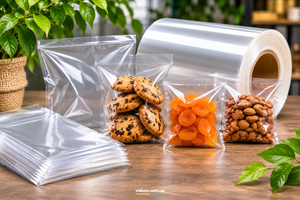
The main task of auto parts packaging is to create optimal conditions for their storage and transport. This is achieved by using various types of packaging materials, each of which performs its own specific function. Anti-corrosion papers and films create a protective barrier against moisture and oxidation. Bubble wrap and special cushioning materials provide shock absorption and protection against mechanical damage. Cardboard boxes and wooden crates give the structure rigidity and make stacking easier.
Particular attention in spare parts packaging is paid to corrosion protection. Metal parts are especially vulnerable to moisture and aggressive environments. Modern corrosion inhibitors added to packaging materials create an invisible protective film on the metal surface that prevents rust even during long-term storage. Such materials are particularly relevant for sea freight, when products are exposed to salty air.
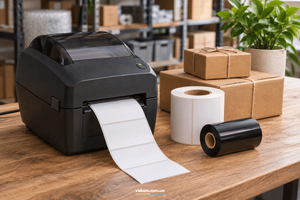
Labelling of the packaging is another important aspect. Each part should be clearly marked with its article number, serial number and other important characteristics. This ensures quick identification and correct handling of the cargo at every stage of the supply chain. Modern marking technologies make it possible to apply both standard barcodes and QR codes with extended product information.
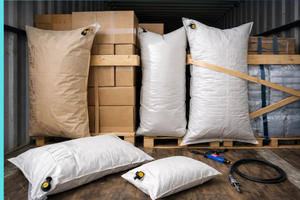
When choosing packaging, it is necessary to take into account the specifics of particular parts and the conditions of their transport. Large assemblies such as engines or transmissions require especially strong packaging with additional fastening elements. Small parts can be packed in groups in special divided boxes with separate compartments. This prevents them from getting mixed up and simplifies inventory.
Current trends in packaging are aimed at making materials more eco-friendly. More and more manufacturers are switching to biodegradable and recyclable materials, while retaining all the necessary protective properties of the packaging. This approach makes it possible to reduce the negative impact on the environment without compromising packaging quality.
The cost-effectiveness of packaging is also an important factor. The optimal choice of materials and design makes it possible to reduce logistics costs while maintaining the required level of protection. This is achieved by reducing packaging weight, optimising its dimensions and enabling containers to be reused.
A professional approach to packaging spare parts, assemblies and components is the key to keeping them intact throughout the supply chain. It helps avoid the extra costs of replacing damaged products and maintain a high level of customer satisfaction. Investment in quality packaging always pays off through fewer complaints and a stronger company reputation in the market.
In today's global market, quality packaging is becoming an important factor in competitiveness. It not only protects products but also creates added value for the customer by ensuring ease of use and a professional appearance. Continuous improvement of packaging materials and technologies makes it possible to find ever more effective solutions for protecting automotive spare parts and components.
Read also:
- Packaging for the Automotive Industry
- Packaging for Chains and Cables
- Packaging That Keeps Your Cargo Safe
- Packaging for Industrial Goods
Related products: packaging materials catalogue.