In modern industrial production, quality packaging plays a critically important role in keeping products intact and optimising logistics. Properly chosen industrial packaging not only protects goods from damage during transport and storage but also helps optimise costs and increase the efficiency of the entire supply chain.
Industrial packaging differs significantly from consumer packaging in its characteristics and requirements. It must withstand considerable mechanical loads, protect against moisture, dust and other external factors, make loading and unloading convenient, and comply with strict industry standards and regulations.
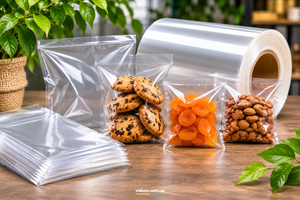
Today's market offers a wide range of packaging materials and solutions for industrial use. The most popular options include corrugated board of various grades, industrial stretch film, polyethylene sacks and big bags, wooden pallets and crates, and metal containers. Each of these materials has its own unique properties and areas of application.
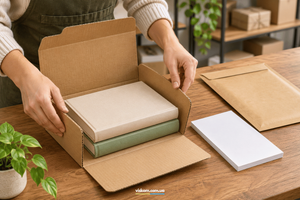
Corrugated board remains one of the most versatile and cost-effective packaging options for industrial goods. Thanks to its multi-layer structure, it provides excellent protection against mechanical damage while remaining light and easy to use. Modern production technologies make it possible to create corrugated board of different thicknesses and strengths, so the optimal option can be chosen for specific needs.
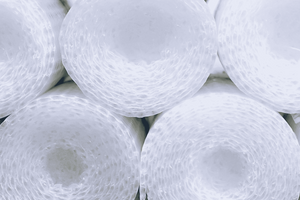
Industrial stretch film is widely used for unitising goods on pallets. It holds the load securely, protects it from dust and moisture, and helps optimise the use of warehouse space. An important advantage of stretch film is its ability to stretch, which ensures a tight fit around the load and additional protection.
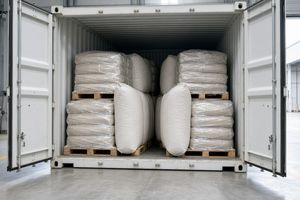
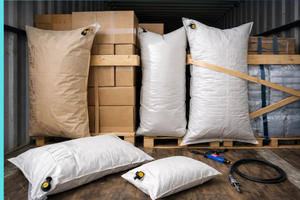
Polypropylene sacks and big bags are widely used to transport loose materials, granules and other bulk cargo. These types of packaging offer high strength, resistance to tearing and puncturing, and convenient loading and unloading. Big bags are especially efficient for large volumes, as they can hold up to several tonnes of product.
Metal containers are indispensable for storing and transporting liquid and dangerous goods. Metal drums, jerrycans and containers provide maximum product protection and meet the strictest safety requirements. Modern metalworking technologies make it possible to create containers with increased corrosion resistance and a long service life.
An important aspect of industrial packaging is its eco-friendliness and reusability. Modern manufacturers are paying increasing attention to eco-friendly materials and technologies that reduce environmental impact. This includes the use of recycled board and biodegradable films and the optimised use of packaging materials.
Choosing the right packaging for industrial goods requires many factors to be considered: product characteristics, transport and storage conditions, customer requirements and economic feasibility. A professional approach to choosing packaging materials helps ensure maximum protection of goods at optimal cost.
Modern technologies and innovations are constantly expanding the possibilities of industrial packaging. New materials with improved characteristics are being developed, smart solutions for tracking cargo and monitoring its condition are being introduced, and packing and warehousing processes are being optimised. All this makes logistics operations more efficient and reduces costs.
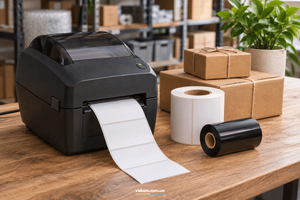
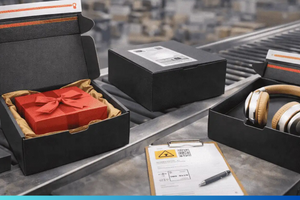
Special attention should be paid to the labelling of industrial packaging. Correct labelling not only helps identify the cargo and ensure proper storage but is also a mandatory requirement of many international standards. Modern printing technologies make it possible to apply all the necessary information to the packaging, including barcodes and QR codes for automated inventory.
Industrial packaging also plays an important role in ensuring worker safety during loading and unloading. Ergonomic design, special handles and fastenings, and the optimal size and weight of packed units all help reduce the risk of injury and increase productivity.
In conclusion, quality industrial packaging is an integral part of modern production and logistics. It not only keeps products safe but also helps optimise costs, increase process efficiency and reduce environmental impact. The continuous development of technologies and materials opens up new opportunities for improving industrial packaging and meeting the growing needs of the market.
Read also:
- Packaging for Liquid-Handling Industries
- Packaging for the Automotive Industry
- Packaging for Industrial Equipment and Machine Tools
- Packaging for Consumer Goods
Related products: packaging materials catalogue.