
Packaging in the automotive industry plays a critically important role in keeping components intact and transporting them safely from the manufacturer to the end customer. In this sector, packaging solutions must meet particularly high standards of quality and reliability, given the specifics of automotive parts and components. Let us take a closer look at all aspects of packaging for the automotive industry.
The main function of packaging in the automotive sector is to protect parts from mechanical damage during transport and storage. Automotive components often have complex geometry and considerable weight, and may be sensitive to external influences. The packaging must therefore hold them securely and absorb shocks, preventing damage from impacts and vibration.
Corrosion protection is the second critically important aspect of automotive packaging. Many metal parts need special protection against moisture and corrosion. Special corrosion inhibitors, desiccants and barrier materials are used for this. Modern anti-corrosion packaging can protect parts over long periods of storage and transport.
Special attention is paid to the cleanliness of packaging and protection against contamination. Many automotive components, especially engine parts and electronic units, require clean packing conditions. Special cleanrooms and materials that do not shed dust or other contaminants are used. This preserves the quality and functionality of the parts.
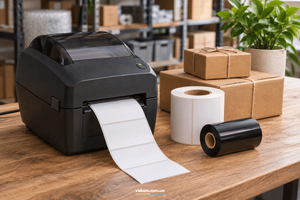
Standardisation and traceability are important requirements in the automotive industry. Each package must be clearly labelled with information about the part, manufacturer, production date and storage conditions. Barcodes and RFID tags make it possible to track parts throughout the supply chain and ensure quick product identification.
Eco-friendliness is becoming an increasingly important factor in choosing packaging for the automotive industry. Manufacturers strive to use recyclable materials and reduce waste. Reusable container systems, returnable packaging solutions and environmentally friendly materials are being introduced.
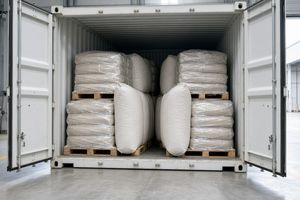
Optimising logistics processes is a key task in developing automotive packaging. The packaging design should make the most efficient use of warehouse space and vehicles. Modular packaging systems are being developed that optimise loading and unloading and reduce logistics costs.
Strength and durability are critically important characteristics of packaging, given the considerable weight of many automotive components. High-strength board, plastics and metal containers capable of bearing significant loads are used. At the same time, it is important to achieve the optimal ratio between strength and the weight of the packaging itself.
Technological innovations are constantly being introduced into automotive packaging. New materials with improved protective properties are being developed, "smart" packaging with shock and tilt indicators is being introduced, and active monitoring systems track the condition of the cargo in transit.
Cost-effectiveness remains an important factor in choosing packaging solutions. Optimising material consumption, reusing containers and reducing the labour involved in packing and unpacking all affect the overall cost of logistics operations.
Transporting dangerous goods safely requires special approaches to packaging. Batteries, fuel cells and other hazardous components must be packed in accordance with strict international safety standards. Special containers and materials are used to prevent leaks of hazardous substances.
In summary, packaging for the automotive industry is a complex technological product that must meet numerous requirements for safety, reliability and efficiency. The continuous development of the automotive sector and rising product quality requirements are driving new packaging solutions and technologies. Quality packaging not only keeps automotive components safe but also optimises logistics and reduces overall production costs.
Read also:
- Packaging for Industrial Goods
- Packaging for Liquid-Handling Industries
- Packaging for Industrial Equipment and Machine Tools
- Packaging for Spare Parts, Assemblies and Components
Related products: packaging materials catalogue.