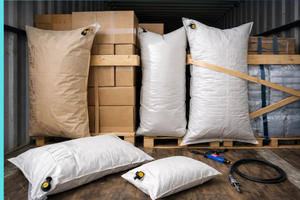
Modern cargo packaging is a complex protection system that keeps goods intact during transport, loading, unloading and storage. Well-chosen protective packaging not only prevents damage to the cargo but also optimises logistics costs and reduces the risk of losses in transit.
The basis of reliable cargo protection is a multi-layer packaging system in which each layer performs its own specific function. The first layer, in direct contact with the product, provides basic protection against scratches and dust. The second layer absorbs shocks and vibration. The outer layer protects against the environment and mechanical damage in transit.
Modern protective packaging materials are developed with the specific requirements of different types of cargo in mind. For fragile items, special cushioning materials are used, such as bubble wrap, polyethylene foam and special damping inserts. These materials effectively absorb shocks and vibration, preventing damage to the contents.
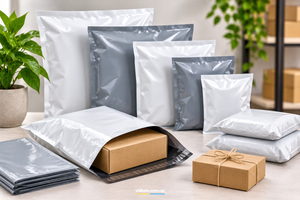
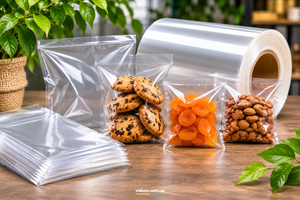
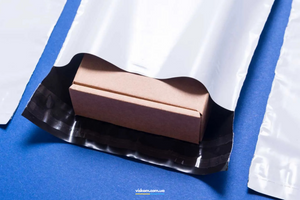
Moisture protection is critically important for many types of cargo. Modern waterproofing materials and barrier films provide reliable protection against moisture and precipitation. This is especially important for international shipments, when cargo may be exposed to different climatic conditions.
Protection against temperature fluctuations is provided by special thermal insulation materials. For temperature-sensitive cargo, insulated containers, thermal covers and special insulating materials are used to maintain a stable temperature throughout transport. This is especially important for pharmaceuticals, food and other goods with special temperature requirements.
Anti-static protection is necessary for electronic equipment and components. Special anti-static bags, films and foams prevent the build-up of static electricity, which can damage sensitive electronics. Such materials are often used in combination with desiccants for comprehensive protection.
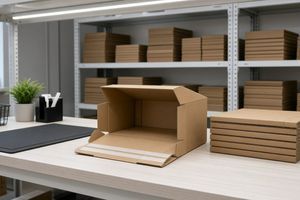
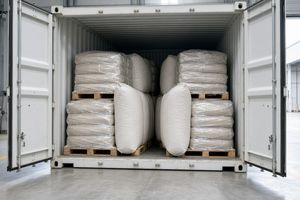
Mechanical protection is provided by sturdy outer packaging such as corrugated boxes, wooden crates or special containers. An important element is securing the cargo properly inside the packaging to prevent it from moving in transit. Various fixing elements, inserts and dividers are used for this purpose.
The eco-friendliness of modern protective packaging is becoming an increasingly important factor. New materials are being developed that combine high protective properties with recyclability or biodegradability. This reduces the negative impact on the environment without compromising cargo protection.
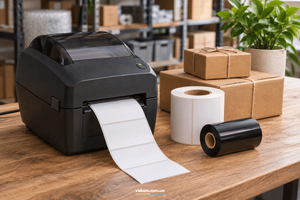
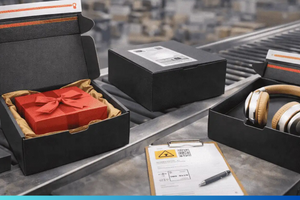
Marking and identification are an important part of protective packaging. Clear labelling of handling requirements, orientation, temperature range and other important parameters helps ensure the cargo is handled correctly at every stage of the logistics chain.
The cost-effectiveness of protective packaging is achieved through the optimal choice of materials and designs. It is important to strike a balance between reliable protection and packaging cost. Modern technologies make it possible to create light yet strong packaging solutions, reducing transport costs without compromising protection.
In summary, modern protective packaging is the result of continuous development of technologies and materials aimed at maximum cargo safety at optimal cost. The right choice of protective packaging not only keeps goods intact but also optimises logistics processes, reduces the risk of damage and increases the efficiency of the entire supply chain. Continuous improvement of packaging materials and technologies makes it possible to find ever more effective solutions for protecting all kinds of cargo.
Read also:
- Protective Transport Packaging for Fragile and Non-Standard Cargo
- Packaging for Electrical Equipment and Electronic Devices
- Types of Cargo Packaging for International Shipping
- Packaging for Spare Parts, Assemblies and Components
Related products: dunnage air bags.