
Modern industry and construction are impossible without quality chains and cables. However, even the strongest products need proper protection during storage and transport. Properly chosen packaging not only protects products against mechanical damage and environmental influences but also significantly extends their service life.
The choice of packaging for chains depends primarily on the type of product and how it will be used. Industrial chains used in heavy engineering need enhanced protection against corrosion and mechanical damage. Special anti-corrosion materials are used for this, creating a reliable barrier between the metal and an aggressive environment.
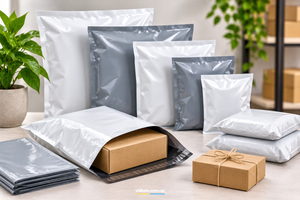
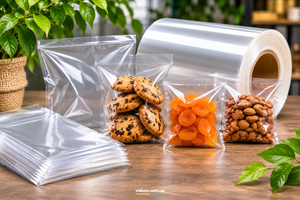
The most common form of protection is multi-layer packaging consisting of a primary anti-corrosion layer, a cushioning material and an outer protective shell. The first layer is usually made of inhibited paper or polymer film with added corrosion inhibitors. Such materials provide lasting protection for the metal even during long storage in unfavourable conditions.
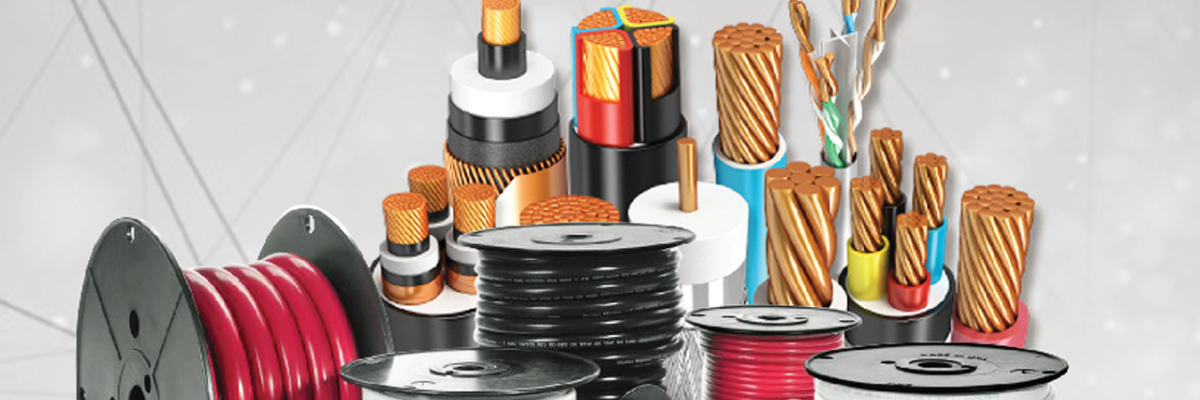
For cable products, protection against mechanical damage and deformation is an important factor. Modern manufacturers use special drums and reels made of strong materials. It is important to calculate the drum diameter correctly to avoid excessive bending of the cable, which can damage the insulation or the inner conductors.
Innovative technologies make it possible to create "smart" packaging that not only protects products but also provides information about storage conditions. Special indicators can signal increased humidity, mechanical shocks or temperatures above permissible limits. This is particularly relevant for high-tech cables used in the energy and telecommunications sectors.
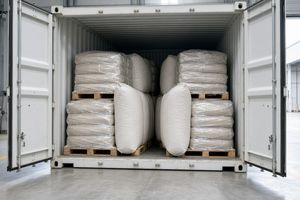
The choice of packaging material also depends on transport conditions and storage time. Sea freight uses reinforced moisture-resistant packaging with additional protection against salty air. For air freight, it is important to keep the structure light while retaining its protective properties. For long-term warehouse storage, materials with increased resistance to ageing and ultraviolet radiation are used.
Special attention is paid to the eco-friendliness of packaging materials. Current trends favour biodegradable materials and recyclability. Manufacturers offer eco-friendly alternatives to traditional polymer materials that are just as protective.
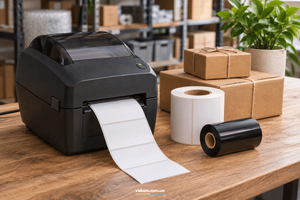
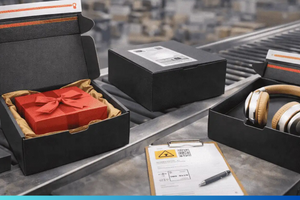
Labelling of the packaging is another important aspect. It should contain all the necessary information about the product and its storage and transport conditions. Modern labelling systems include QR codes that provide quick access to detailed product information and usage recommendations.
A professional approach to choosing packaging takes into account every stage of the supply chain. This includes the specifics of loading and unloading, warehouse storage conditions, methods of transport and the climate of the region where the products will be used. Properly chosen packaging preserves all the technical characteristics of the products and minimises the risk of damage during delivery to the end customer.
Today's market offers a wide choice of packaging solutions that are constantly being improved in line with the growing demands of industry. Using quality packaging is an investment in the reliability and durability of chains and cables, which ultimately ensures their cost-effective use.
Read also:
- Packaging for Spare Parts, Assemblies and Components
- Packaging That Keeps Your Cargo Safe
- Packaging for Bulk Materials
Related products: packaging materials catalogue.