Modern industry and logistics are impossible without reliable and efficient packaging for bulk materials. It is a critically important element that preserves product quality, makes transport convenient and optimises warehouse processes. In this article, we take a detailed look at the features of different types of packaging, their advantages and specific applications.
Choosing the right packaging for bulk materials is a complex process that requires many factors to be considered. Particularly important among them are the characteristics of the product itself, the storage and transport conditions, economic feasibility and environmental aspects. Today's market offers a wide range of solutions, from traditional paper sacks to high-tech composite containers.
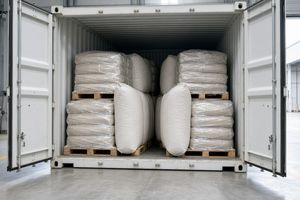
Special attention should be paid to big bags, flexible intermediate bulk containers (FIBCs). These versatile packaging solutions have become widespread thanks to their optimal combination of strength, ease of use and cost-effectiveness. Made of woven polypropylene, big bags can withstand significant loads and reliably protect products from external influences.
Paper sacks remain a classic packaging option for many types of bulk materials. Their popularity is due to their eco-friendliness, relatively low cost and suitability for high-quality printing. Modern multi-wall paper sacks with additional protective layers provide a high level of protection against moisture and mechanical damage.
Polymer sacks and containers represent an innovative segment of the packaging materials market. They offer increased strength and resistance to various weather conditions and chemical influences. Polymer packaging is especially relevant for transporting aggressive or hygroscopic materials.
An important aspect of choosing packaging is its compliance with regulatory requirements and safety standards. This is particularly relevant when transporting dangerous goods, food products and pharmaceutical raw materials. Modern packaging manufacturers pay considerable attention to certifying their products and introducing quality control systems.
Innovative technologies have significantly expanded the possibilities of packaging for bulk materials. "Smart" packaging solutions have appeared with built-in indicators of humidity, temperature and packaging integrity. Such developments make it possible to continuously monitor the condition of products throughout the supply chain.
The environmental aspect is becoming an increasingly important factor in choosing packaging. Manufacturers are actively developing biodegradable materials and introducing technologies for recycling used packaging. This helps reduce the negative impact on the environment and meet consumers' growing environmental expectations.
Labelling plays a special role in packaging for bulk materials. It must contain all the necessary information about the product and its storage and transport conditions, and comply with international standards. Modern printing technologies make it possible to apply high-quality markings even to difficult surfaces of packaging materials.
When choosing packaging, it is important to consider the specifics of logistics processes. The optimal size and shape of the packaging should ensure efficient use of warehouse space and vehicles. Ease of loading and unloading and the possibility of mechanising these processes are also important factors.
The cost-effectiveness of packaging is determined not only by its initial price but by a combination of factors, including service life, storage and transport costs, and the possibility of reuse or recycling. Properly chosen packaging helps optimise logistics costs and increase business profitability.
An individual approach to choosing packaging for bulk materials makes it possible to find the optimal solution for specific conditions of use. Working with reliable suppliers of packaging materials and using modern technological solutions ensures highly efficient logistics processes and preserves product quality.
Read also:
- Types of Cargo Packaging for International Shipping
- Packaging for Industrial Goods
- Packaging for Chemical Companies
- Packaging for Liquid-Handling Industries
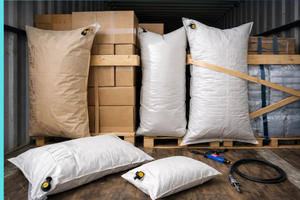
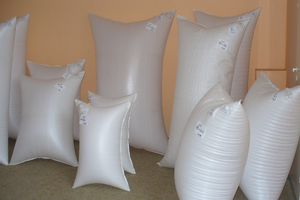
Related products: dunnage air bags.