Pharmaceutical packaging plays a critically important role in ensuring the quality, safety and effectiveness of medicines. Modern pharmaceutical production is impossible without reliable packaging solutions that protect medicines from external factors and ensure proper storage throughout their shelf life.
The particular features of pharmaceutical packaging begin with strict requirements for materials. All components in contact with medicines must be inert and must not interact chemically with the active substances. Special grades of polymers, medical-grade glass, aluminium foil and laminates are used most often. An important aspect is providing barrier properties against moisture, light, oxygen and other factors that may affect the stability of the medicine.
Primary packaging is in direct contact with the medicine and must protect and preserve it. It includes blisters, vials, ampoules, tubes and sachets. Blister packaging is the most common type of primary packaging for tablets. It consists of a formed base of PVC or other polymers and a lidding foil. Modern technologies make it possible to create multi-layer structures with enhanced barrier properties.
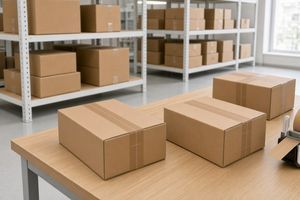
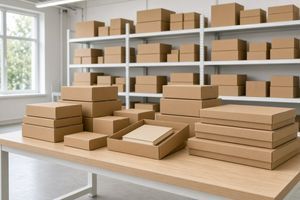
Secondary packaging provides additional protection and contains important information about the medicine. Cartons must be made of high-quality board that withstands mechanical loads during transport and storage. They carry labelling in accordance with regulatory requirements: the name of the medicine, composition, dosage, storage conditions, shelf life, batch number and other mandatory information.
Current trends in pharmaceutical packaging include the introduction of anti-counterfeiting systems. These may be holographic stickers, QR codes for authenticity checks, special security printing and other technological solutions. Eco-friendly materials and technologies that reduce environmental impact while preserving the protective properties of packaging are also becoming more popular.
Pharmaceutical packaging is produced under strict quality control and in compliance with GMP (Good Manufacturing Practice) standards. This includes control of cleanroom conditions, monitoring of production process parameters, equipment validation and regular quality checks of finished products. Particular attention is paid to documenting all stages of production and control.
Innovations in pharmaceutical packaging aim to make it easier for patients to use. Systems are being developed that make packaging easier for older people to open while keeping it child-resistant. Smart packaging with built-in sensors is being introduced that can track adherence to the medication schedule and send reminders via mobile apps.
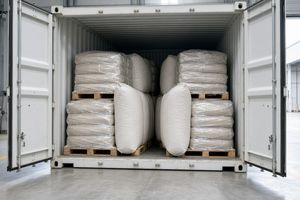
Logistical optimisation of packaging is another important aspect. The design should ensure efficient use of space during transport and storage, and make grouping and palletising convenient. At the same time, the protective functions and the need to keep medicines intact throughout the supply chain must not be forgotten.
Developing new pharmaceutical packaging involves a detailed study of the medicine's properties and its storage and usage conditions. Stability studies are carried out to confirm that the medicine retains its quality throughout the stated shelf life. It is also important to consider manufacturability, that is, whether the packaging can be produced efficiently on existing equipment.
Thus, pharmaceutical packaging is a complex system that must meet numerous requirements: protect the medicine, comply with regulations, be convenient to use and suitable for manufacturing. The continuous development of technologies and materials makes it possible to create ever more advanced packaging solutions that improve the safety and effectiveness of medicines.
Read also:
- Packaging That Keeps Your Cargo Safe
- Packaging for Bulk Materials
- Packaging for Chemical Companies
- Packaging for Chains and Cables
Related products: packaging materials catalogue.