Packaging in the woodworking industry is a key element that preserves product quality during storage and transport. The specifics of the woodworking sector require a special approach to choosing packaging materials and technologies, taking into account the natural properties of wood and the variety of products. Let us take a closer look at the features of and requirements for packaging for woodworking companies.
Protection against moisture is the top priority when packing timber and wood products. Excess moisture can lead to fungi, mould and rot, which significantly reduce product quality. Modern packaging materials must provide a reliable barrier against precipitation and condensation while allowing the wood to "breathe" and preventing a greenhouse effect inside the packaging.
Mechanical protection is the second important aspect of packaging wood products. During transport, loading and unloading, sawn timber and finished products can be subjected to considerable mechanical loads. The packaging must protect edges and surfaces from scratches, chips and other damage, keeping the products in saleable condition.
Special attention is paid to protection against ultraviolet radiation, which can change the colour of wood and impair its properties. Special protective films and materials with UV filters help preserve the natural colour and quality of wood during long-term outdoor storage.
Ventilation is a critically important factor when packing wood. Properly chosen packaging must allow sufficient air circulation to prevent condensation and the growth of microorganisms. Special ventilation openings and spacer strips help maintain an optimal microclimate inside the packaging.
The strength and stability of the packaging are important characteristics, given the considerable weight of sawn timber and wood products. High-strength straps, corner protectors and other fastening elements are used to secure the products reliably in transit. At the same time, it is important to prevent the packaging itself from deforming under the weight of the load.
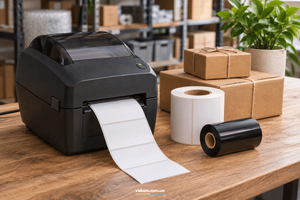
Labelling and product identification play an important role in logistics. Each package should contain information about the product type, dimensions, wood grade, manufacturer and storage conditions. Water-resistant labels and markings keep the information legible throughout transport and storage.
Eco-friendliness is becoming an increasingly important factor in choosing packaging for wood products. Manufacturers strive to use recyclable materials and reduce plastic waste. Biodegradable materials and environmentally friendly packaging technologies are being introduced.
Optimising logistics processes is a key task in developing packaging. The design of the packaging should make loading and unloading convenient and allow efficient use of warehouse space and vehicles. Standardised packaging sizes are being developed to optimise logistics operations as much as possible.
Protection against pests is also an important aspect of packaging wood. Special protective agents and materials prevent insects and other pests from getting in and damaging products during storage and transport.
Cost-effectiveness remains an important criterion when choosing packaging solutions. Optimising material consumption, reusing packaging and reducing the labour intensity of packing all affect the overall cost of logistics operations.
In summary, packaging for woodworking companies is a complex technological product that must provide comprehensive protection of products at optimal cost. The continuous development of technologies and rising product quality requirements are driving the development of new packaging solutions. Properly chosen packaging not only protects products but also optimises logistics and increases a company's competitiveness in the market.
Read also:
- Packaging for Chemical Companies
- Packaging for the Automotive Industry
- Packaging for Bulk Materials
- Food Packaging: Types, Standards and Innovations
Related products: packaging materials catalogue.