
Food packaging is one of the most important elements of the food industry, ensuring the safety and quality of food from production to consumption. Requirements for food packaging keep growing, reflecting both consumer needs and the regulations of different countries. Let us take a closer look at the features of and requirements for food packaging.
The safety of food packaging is manufacturers' top priority. Materials that come into contact with food must be completely safe and meet strict quality standards. They must not react chemically with food, release harmful substances or affect its taste and smell. Modern manufacturers use specially developed materials that have passed numerous tests and received the relevant safety certificates.
The protective function of food packaging includes protecting food from mechanical damage, moisture, light, temperature and microorganisms. Creating the right barrier to keep the product fresh throughout its shelf life is especially important. Modern technologies make it possible to create multi-layer materials in which each layer performs its own specific protective function.
The information on food packaging is regulated by law and must include all the necessary product data. This includes ingredients, nutritional value, storage conditions, shelf life, allergens and other important information. Correct labelling helps consumers make informed choices and use the product safely.
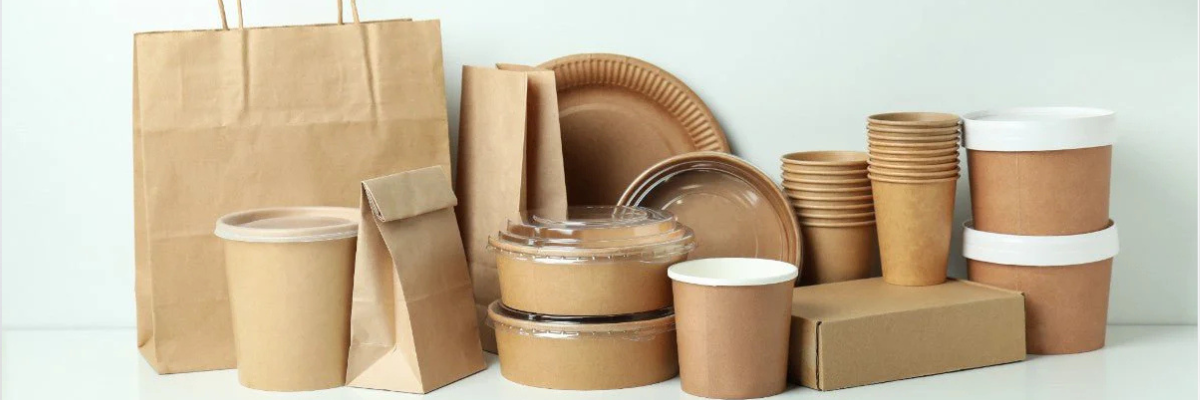
Eco-friendliness has become an important trend in food packaging production. Consumers increasingly prefer products in sustainable packaging that is recyclable or biodegradable. Manufacturers are actively introducing new eco-friendly materials and technologies and developing innovative solutions to reduce the environmental impact of packaging.
The functionality of food packaging is also very important. Easy opening and reclosing, the ability to heat the product right in the packaging and portion sizes all influence consumer choice. Innovative solutions such as "smart" packaging with freshness or temperature indicators add value to the product and increase consumer trust.
Particular attention is paid to preserving the nutritional value of food. Modern packaging materials and technologies make it possible to retain vitamins, minerals and other beneficial substances throughout the storage period. Modified atmosphere packaging, vacuum packaging and other technologies help extend the shelf life of products without preservatives.
Food packaging design should not only attract shoppers' attention but also meet all safety and functionality requirements. Colours, fonts and graphic elements should be combined harmoniously and make the product look appetising. At the same time, the design must not mislead the consumer about the properties or composition of the product.
Technological innovations in food packaging include the use of "active" and "intelligent" materials. Active packaging can absorb oxygen, regulate humidity or release preservatives, extending the product's shelf life. Intelligent packaging contains indicators that show the condition of the product and its storage conditions.
Cost-effectiveness is an important factor in choosing packaging. It must provide the necessary product protection at optimal production and logistics costs. Modern technologies make it possible to create light but strong materials that significantly reduce transport costs and environmental impact.
Standardisation and certification of food packaging are mandatory in most countries. Manufacturers must comply with international quality standards, undergo regular inspections and obtain the necessary certificates. This ensures consumer safety and establishes uniform rules for all market participants.
In summary, modern food packaging is a complex system that must meet numerous requirements for safety, functionality and sustainability. Continuous technological development and changing consumer preferences create new opportunities and challenges for manufacturers, driving the development of innovative packaging solutions. Quality packaging not only preserves the product but also helps the manufacturer gain a competitive advantage in the food market.
Read also:
- Glass Packaging: An Eco-Friendly Solution for Safe Product Storage
- Vacuum Packaging: A Modern Solution for Long-Term Food Storage
- Packaging for Consumer Goods
- Vacuum Packaging: Reliable Protection and Long Shelf Life at the Best Price
Related products: packaging materials catalogue.