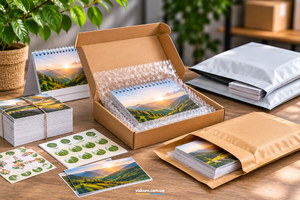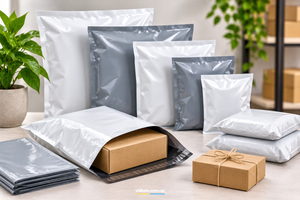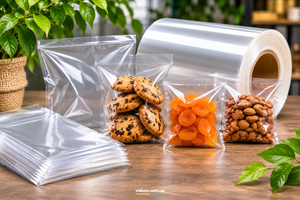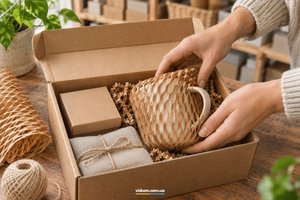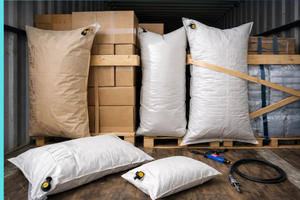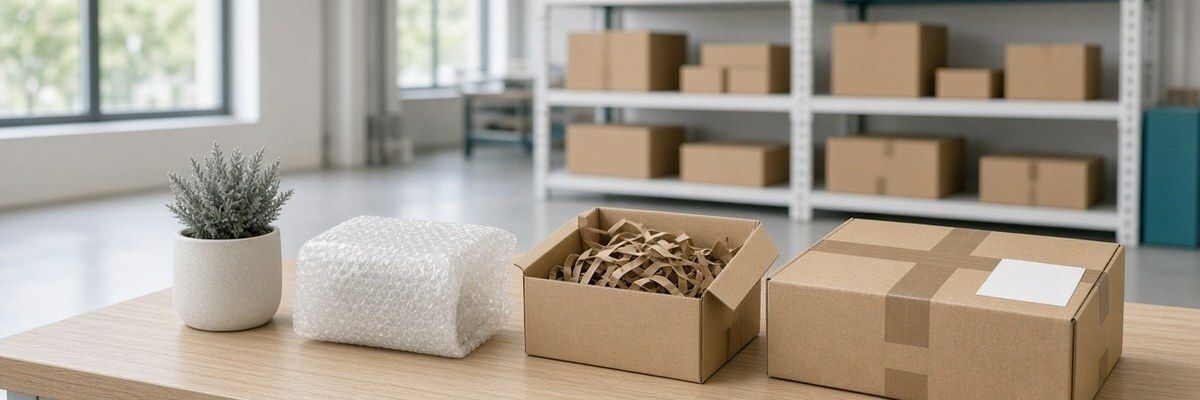
Packing postal shipments correctly is a key factor in getting your parcel safely to the recipient. It is a comprehensive process that requires attention to detail and following certain rules. Let's take a detailed look at all the stages and specifics of packing different types of postal shipments.
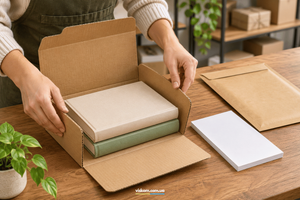
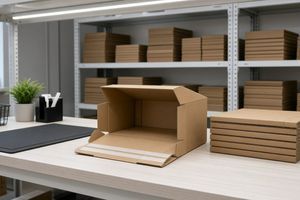
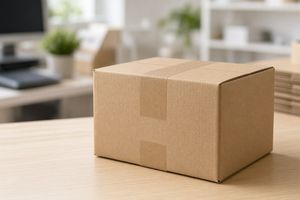
The first and most important stage is choosing suitable packaging. The material and type of packaging should match the nature of the contents. For most parcels, strong corrugated cardboard boxes are the best choice. If the shipment contains fragile items, it is worth using double packaging: first wrap the item in protective material, then place it in a box with cushioning filler.
Preparing the contents for packing also requires special attention. Fragile items should be wrapped in bubble wrap or other cushioning materials. Sharp edges and corners need to be protected with an extra layer of packaging material. Liquids must be securely closed and packed in sealed bags to prevent leaks. Electronic devices are best packed in anti-static materials.
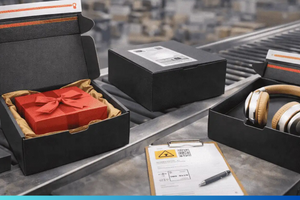
Placing items in the box requires a strategic approach. Heavy items should go at the bottom of the box and lighter ones on top. Space should be left between items for cushioning materials. Empty space in the box should be filled with void fill, such as wrapping paper, polystyrene foam, air pillows or other materials that stop the contents moving in transit.
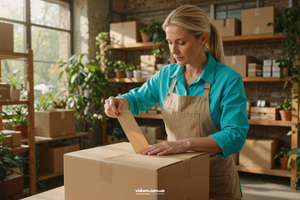
Particular attention should be paid to closing the box. All seams and joints must be securely sealed with packing tape. It is recommended to use tape at least 5 cm wide and to tape all seams with several layers. For heavy parcels, it makes sense to reinforce the box additionally with tape around the perimeter. The box flaps must be fully closed, with no gaps.
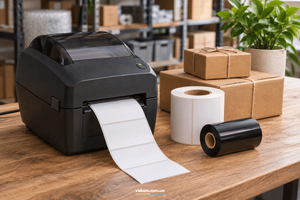
Labelling the shipment is an important stage of packing. The sender's and recipient's addresses must be clearly shown on the box. If the contents require special handling, appropriate markings must be applied, such as "Fragile", "This Way Up" or "Keep Dry". Any previous markings on used boxes must be completely removed or covered to avoid confusion.
Documents accompanying the shipment must be securely attached to the outside of the package. It is recommended to use special document pouches or to tape them on securely. For international shipments, particular attention should be paid to filling in customs declarations and other required documents correctly.
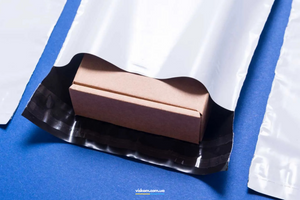
When packing valuable shipments, it is worth considering additional security measures. These may include special security bags, seals and tamper-evident stickers that show attempts at unauthorised opening. For particularly valuable shipments, insurance is recommended.
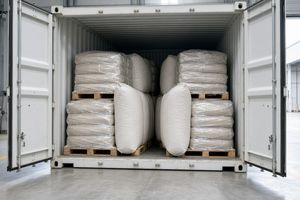
An important aspect is taking climate conditions in transit into account. If the parcel will travel through different climate zones or may be exposed to extreme temperatures, the contents must be protected accordingly. This may include moisture-resistant materials, thermal insulation or special containers.
The cost of packing should also be considered. Packaging that is too large can lead to extra delivery costs, so it is important to choose a box that matches the size of the shipment. At the same time, you should not skimp on the quality of packaging materials, as this can lead to damage to the contents.
In summary, packing postal shipments correctly is a comprehensive process that requires a careful approach and attention to many factors. Following the basic packing rules ensures safe delivery and keeps the contents in good condition. A professional approach to packing not only protects your shipment but also helps optimise delivery costs and avoid problems in transit.
Read also:
- Packing Rules for International Postal Shipments
- How to Pack Oversized Goods for Transport
- How to Choose a Box for Shipping a Parcel
- Cardboard Mailing Envelopes
Related products: packaging materials catalogue.