Packing oversized goods for transport is a complex process that requires a special approach and attention to detail. Proper packaging of large items not only keeps them intact in transit but also optimises transport costs. Let's take a detailed look at every aspect of packing oversized cargo.
The first and most important stage is assessing the characteristics of the item and choosing suitable packaging materials. You need to consider the weight, dimensions and shape of the item, as well as its sensitivity to mechanical damage, moisture and temperature fluctuations. Oversized goods are often packed with a combination of materials, from strong corrugated board to special protective films and foam elements.
Preparing the item for packing includes cleaning the surface and removing all detachable parts, which are packed separately. Particular attention should be paid to protecting protruding parts and vulnerable elements. Special protective corners, foam inserts and cushioning materials are used for this. Metal parts should be protected from corrosion with special anti-corrosion materials or lubricants.
The choice of the main packaging material depends on the type of goods. Furniture is often packed in several layers: first a soft protective material (bubble wrap or spunbond), then cardboard or corrugated board, and finally protective stretch film. Industrial equipment may be packed in wooden crates or special containers with additional internal protection.
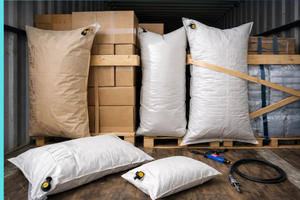
Particular attention should be paid to securing the item inside the packaging. Oversized items must be firmly fixed to prevent them from shifting in transit. Various fastening methods are used for this, from simple straps to special fastening systems. It is important to distribute the load evenly and prevent point pressure on individual parts of the item.
Moisture protection is a critical aspect of packing oversized goods. Using moisture-resistant materials and sealing the packaging properly helps prevent damage when the weather changes. Desiccants and special waterproofing materials can be used for additional protection.
Marking oversized cargo requires special attention. All necessary markings must be clearly shown on the packaging: "This Way Up", "Fragile", "Centre of Gravity", as well as special loading and unloading instructions. It is also important to state the exact weight and dimensions of the package for proper planning of logistics operations.
Transporting oversized goods often requires special loading and unloading equipment. When packing, you need to allow for the use of forklifts, cranes and other lifting equipment. The packaging should therefore include special points for gripping or attaching such equipment.
The temperature conditions in transit should also be considered when choosing packaging materials. Some oversized goods may be sensitive to sudden temperature changes, so additional thermal insulation may be needed. This is especially important for international transport, when the cargo passes through different climate zones.
The economics of packing oversized goods also matter a great deal. You need to find the optimal balance between reliable protection and the cost of packaging materials. It is important to consider not only the cost of the materials themselves but also transport costs, which can rise significantly if too much packaging material is used.
In summary, packing oversized goods requires a comprehensive approach that takes many factors into account. The right choice of materials and packing methods not only keeps the goods intact but also optimises transport costs. A professional approach to packing oversized cargo is the key to safe delivery and customer satisfaction.
Read also:
- The Procedure for Packing Postal Shipments
- How Best to Pack Goods in Glass Containers
- How to Choose a Box for Shipping a Parcel
- Protective Transport Packaging for Fragile and Non-Standard Cargo
Related products: packaging materials catalogue.