International postal shipments require a particularly careful approach to packing, because in transit they pass through different climate zones and are handled and transhipped many times. Proper packing keeps the contents intact and ensures compliance with international postal standards.
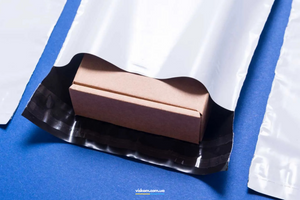
Choosing packaging materials for international shipments is the first critical stage. The outer packaging should be made of strong cardboard or special heavy-duty mailing bags. Cardboard boxes must be new or in perfect condition, without damage or traces of previous use.
Internal protection of the shipment is provided by a combination of different packaging materials. Bubble wrap, polystyrene loose fill, paper void fill or special protective inserts are used to create a cushioning layer. It is important to fill all voids in the packaging completely to prevent the contents from shifting.
A tight seal is especially important for international transport. All seams and joints must be securely sealed with quality packing tape. For additional protection against moisture, waterproof bags or special moisture-resistant film are recommended.
Marking international shipments requires particular attention. The recipient's and sender's addresses must be written in Latin letters and contain all the necessary elements, including the postcode and country code. Additional markings such as "Fragile", "This Side Up" or other warning signs are applied according to the contents of the parcel.
Accompanying documents are a mandatory element of international shipments. Customs declarations, invoices and other necessary documents must be filled in correctly and securely attached to the outside of the package in a special plastic document pouch.
The dimensions and weight of international shipments are regulated by the rules of the Universal Postal Union and by national postal operators. Each country has its own limits on the maximum size and weight of parcels. Before packing, it is important to check these limits for the destination country.
Special requirements apply to packing fragile items. Each item must be individually wrapped in protective material and separated from other items by buffer zones. Using a double box with an intermediate cushioning layer is recommended practice for especially valuable or fragile shipments.
Electronic devices require a specific approach to packing. The use of anti-static materials, removal of batteries and rechargeable cells, and protection against mechanical damage and electrostatic discharge are mandatory requirements. It is also important to take into account restrictions on shipping lithium-ion batteries.
Temperatures during transport can fluctuate significantly, so it is important to provide appropriate protection for temperature-sensitive items. Thermal insulation materials and special containers may be necessary for certain types of shipments.
Insurance of international shipments is recommended for valuable parcels. Proper packing and documenting the packing process, including taking photos, can be important in the event of an insurance claim. This helps prove that the shipment was properly packed.
Seasonal factors must be considered when choosing packaging materials. In summer it is important to provide additional protection against high temperatures, and in winter against freezing. This is especially relevant for shipments containing liquids or other temperature-sensitive items.
The environmental aspects of packaging are becoming increasingly important. Using recyclable materials and minimising plastic is in line with current sustainability trends. It is important to strike a balance between reliable protection of the shipment and environmental responsibility.
Professional help with packing international shipments may be advisable for especially valuable or complex parcels. Specialised packing services have the experience and the materials needed to provide maximum protection for shipments.
In summary, proper packing of international postal shipments requires a comprehensive approach and attention to detail. Following all requirements and recommendations ensures safe delivery of parcels to their final destination.
Read also:
- The Procedure for Packing Postal Shipments
- Types of Cargo Packaging for International Shipping
- Cardboard Mailing Envelopes
- Packing Rules: How to Choose Packaging Not Only by Size but Also by Shipment Type
Related products: packaging materials catalogue.