Choosing the right box for shipping a parcel is a key factor in getting your shipment safely to the recipient. The task may seem simple, but in reality it requires you to consider many important aspects that affect how well the contents survive transport. Let us look in detail at all the factors to consider when choosing suitable packaging.
First of all, you need to determine the right box size for the dimensions of the item you plan to send. The box should be roomy enough to hold the product together with protective packaging material, but not so large that the item can move around freely inside. A gap of 2–3 centimetres on each side for cushioning materials is considered optimal.
The strength of the box is the next critical factor. It depends on the weight of the shipment and the transport conditions. Single-wall corrugated board is suitable for light items, but heavy goods require boxes made of double-wall or triple-wall corrugated board. Pay particular attention to the quality of the board at the corners of the box, as they are the parts most often exposed to mechanical stress in transit.
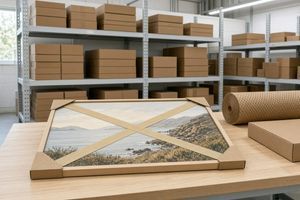
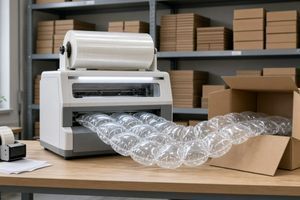
When choosing a box, it is important to consider the nature of the parcel's contents. Fragile items need extra space for cushioning materials, electronics need protection against static electricity, and liquids must be reliably protected against leaks. For especially valuable or fragile items, double boxing is recommended: first into a smaller box with cushioning materials, then into a larger shipping box.
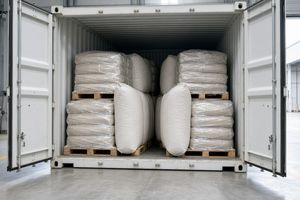
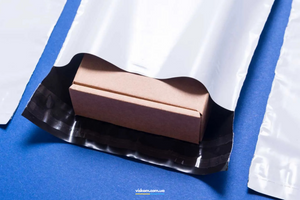
Climatic conditions also play an important role in choosing packaging. If the parcel will travel to regions with high humidity or there is a risk of rain, choose boxes made of moisture-resistant board or use extra protection in the form of waterproof film. This is especially important for goods that can be damaged by contact with moisture.
The way the box is closed also deserves attention. The box should have sturdy flaps that can be sealed tightly with packing tape. Reinforced tape at least 5 centimetres wide is recommended, applied along the full length of the seams. For heavy parcels, it is worth additionally reinforcing the box with strapping around the perimeter.
The shape of the box should match the shape of the item being sent. Standard rectangular boxes suit most shipments, but non-standard items may require special packaging shapes. In such cases it is better to turn to professional packers or use ready-made solutions from postal services.
Marking the box is an important element of safe transport. Where the nature of the cargo requires it, the packaging should clearly show special labels such as "Fragile", "This way up" or "Do not tilt". It is also important to attach waybills and address labels securely.
The cost of packaging should also be taken into account. While you should not cut corners on the quality of the box and packing materials, there are ways to optimise costs. For example, you can use standard box sizes, which are usually cheaper than custom solutions, or buy packaging materials wholesale if you ship parcels regularly.
The eco-friendliness of packaging is becoming an increasingly important factor. It is worth choosing boxes made of recycled board and using environmentally friendly packaging materials. This not only helps protect the environment but also creates a positive image of the sender in the eyes of the recipient.
In summary, choosing the right box for shipping a parcel is a complex task that requires many factors to be taken into account. The quality of the packaging affects not only how well the contents are preserved, but also the shipping cost, the ease of handling the shipment and the recipient's satisfaction. By taking the time to choose suitable packaging and pack correctly, you significantly reduce the risk of damage to the goods in transit and ensure their safe delivery to the destination.
Read also:
- The Procedure for Packing Postal Shipments
- How to Choose a Cardboard Box? A Complete Guide to Packaging Solutions
- How to Send a Parcel with Goods Within Ukraine
- How to Pack Oversized Goods for Transport
Related products: cardboard boxes.