International cargo shipping requires a special approach to choosing packaging, which must reliably protect goods during long transport by different modes and in different climatic conditions. The right choice of packaging is a key factor in keeping cargo intact and delivering it safely to its final destination.
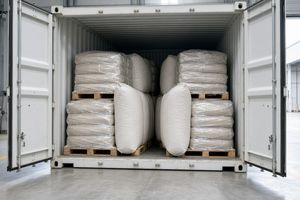
Container packaging is one of the most common types of packaging for international shipping. Sea containers of various sizes and types make it possible to efficiently transport large consignments of goods. Special container types, such as refrigerated containers, provide the conditions needed for goods that require temperature control.
Pallet packaging is widely used for transporting all kinds of cargo. Standardised pallets make efficient use of vehicle space and simplify loading and unloading. Important elements of pallet packaging are stretch film and strapping materials, which keep the load stable on the pallet.
Wooden packaging remains an important type of packaging for international shipping, especially for heavy and oversized cargo. Wooden boxes and crates provide reliable protection against mechanical damage and can be made to custom dimensions to suit the cargo. It is important to observe international standards for treating wooden packaging to prevent the spread of pests.
Cardboard and corrugated packaging is widely used for light and medium-weight goods. Modern cardboard packaging is very strong and can be further reinforced in various ways. An important advantage of cardboard packaging is its eco-friendliness and recyclability.
Metal containers are used to transport liquid, bulk and hazardous cargo. Metal drums, canisters and special containers provide maximum protection of the contents and meet the strict safety requirements for international transport of dangerous goods.
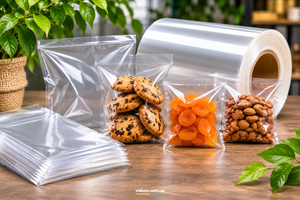
Plastic packaging is becoming increasingly popular thanks to its lightness, strength and resistance to different weather conditions. Plastic containers, boxes and big bags are widely used for all kinds of cargo, especially in multimodal transport.
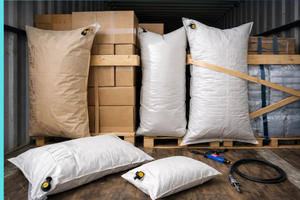
Special protective packaging is necessary for transporting sensitive equipment and machinery. It may include cushioning materials, desiccants, anti-corrosion agents and shock or tilt indicators. Such packaging provides additional protection against vibration, moisture and other adverse factors in transit.
Flexible containers (big bags) are an optimal solution for bulk cargo. They come in different load capacities and can be fitted with various types of filling and discharge spouts. An important advantage of big bags is that they can be folded for the empty return journey.
Vacuum packaging is used for specific types of cargo where it is important to minimise volume and provide complete protection from external influences. It is often used for textiles, food and other goods that require special storage conditions.
Combined packaging, which brings together different materials and protection methods, is often used to ensure maximum cargo safety. For example, goods may first be wrapped in plastic film, then placed in a cardboard box, which in turn is placed on a pallet and secured with stretch film.
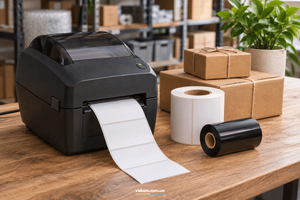
Packaging markings for international shipping must comply with international standards and contain all the necessary information about the cargo, its transport conditions and handling. Correct marking helps ensure proper handling of the cargo at every stage of transport.
Climate packaging is needed to protect goods when transported through different climate zones. It may include moisture barriers, thermal insulation materials and humidity control agents. Such packaging is especially important in sea transport, where cargo is exposed to salty air and sharp temperature changes.
The choice of packaging for international shipping depends on many factors, including the type of cargo, route, mode of transport, climatic conditions and the legal requirements of the countries along the route. The right packaging not only keeps the cargo intact but also optimises transport and insurance costs.
Read more on this topic: types of cargo packaging.
Read also:
- Packing Rules for International Postal Shipments
- Packaging for Bulk Materials
- Packaging for International Logistics: Meeting Standards and Minimising Risks
Related products: dunnage air bags.