Globalisation and the growth of online trade open up many opportunities for companies but also create challenges for transporting products safely to any point in the world. Ensuring cargo safety is one of the most important factors to consider in order to guarantee that goods are delivered to the end consumer in perfect condition and to avoid accidents.
Load Securing Factors and Recommendations for Protecting Cargo
The European Best Practice Guidelines on Cargo Securing for Road Transport set out a number of factors that can affect load stability throughout the distribution cycle:
Vehicle: an analysis must be carried out to make sure it is suitable for the cargo being transported and whether it should be equipped with items such as side, front or rear doors, in addition to using slats, stanchions or anchor points inside the vehicle to secure the load.
Packaging: vital for the safe delivery of shipments. To guarantee adequate load securing, an analysis must be carried out to determine the best method of tertiary packaging, which may consist of pallets, sheets between load layers, edge protectors, strapping, shrink film or boxes. This is where simulation tests for goods begin, which certify the packaging's resistance to transport hazards.
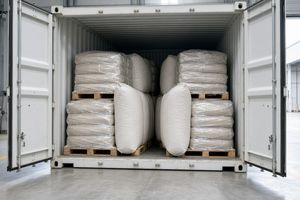
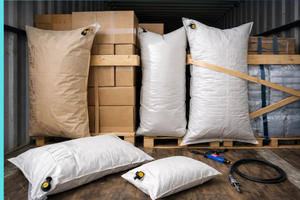
Securing elements: these include chains, steel cables, dunnage air bags, load-bearing bars or lashing elements, in addition to methods of increasing friction between the load and the platform, such as coatings, mats or anti-slip sheets. Proper load securing will involve analysing which of these elements are most suitable for the type of goods, the vehicles and the route.
Securing methods: different securing techniques (blocking, bracing, direct lashing or top-over lashing) prevent uncontrolled movement of the cargo in transit. They are therefore essential for the safe delivery of shipments.
The Importance of Load Securing
Load stability guarantees that goods are preserved throughout the distribution cycle and also prevents accidents that endanger those responsible for transport. Recommendations for protecting cargo
The fact is that inadequate load securing is the cause of 25% of accidents involving trucks, according to the European Agency for Safety and Health at Work.
Transport Cost Efficiency
According to information published by Packworld, the cost of replacing a product damaged during the distribution cycle can be 17 times higher than the cost of delivery. But adequate load securing not only means preventing waste caused by damage to shipped products; it also improves brand reputation by delivering the product to the end consumer in excellent condition.
Packaging Optimisation
Studying load stability involves adapting the packaging method to the real hazards the goods will face during the distribution cycle. This makes it possible to protect them and design suitable packaging while avoiding unnecessary costs from overpacking.
Improving Sustainability
Studying load securing means arriving at safer solutions that also result in less waste and less energy needed to transport, manufacture and package the goods.
Read also:
- Solutions for Protecting Glass Containers in Transit
- How to Find the Best Packaging Solutions for Your Business
- How to Secure Cargo Properly: Load Securing Equipment
Related products: dunnage air bags.