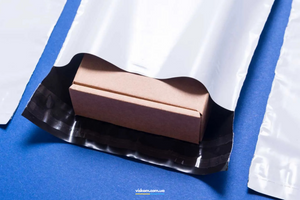
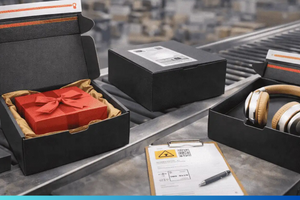
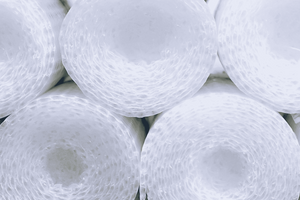
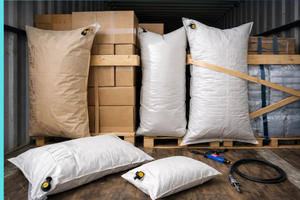
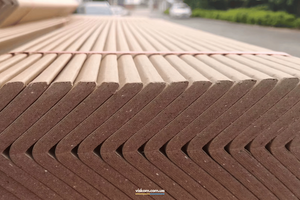
A protective profile made of polyethylene foam is a modern and effective way to protect all kinds of products from mechanical damage during transport and storage. This versatile material, which combines lightness, strength and elasticity, has become an indispensable element in packing and shipping goods of all kinds. Thanks to the unique structure of polyethylene foam, the profile provides excellent protection against impacts, scratches and other mechanical stresses.
Protective profiles are made using modern polyethylene foaming technologies, which produce a material with the optimal ratio of density to protective properties. The closed-cell structure of the material provides excellent cushioning, absorbs shocks and vibrations and resists deformation under load. A variety of profile shapes and sizes makes it possible to choose the best solution for protecting products of any configuration.
A particular advantage of polyethylene foam profiles is their versatility and ease of use. The material is easily cut to the required size with ordinary scissors or a utility knife, so the necessary number of protective elements can be prepared quickly right at the packing station. The elasticity of the material ensures a snug fit to the product surface, creating a reliable protective layer without additional fastening.
Protective profiles are used in an extremely wide range of industries. In the furniture industry, profiles protect the corners and edges of furniture during transport and storage. Manufacturers of household appliances and electronics use profiles to protect sensitive parts and surfaces of their products. The construction sector actively uses protective profiles for transporting glass products, metal structures and other building materials.
The eco-friendliness of polyethylene foam is an important factor in its popularity at a time of increased attention to environmental protection. The material contains no harmful substances, releases no toxic compounds during use and is fully recyclable. The possibility of reusing profiles also helps reduce waste and is in line with the principles of sustainable development.
The cost efficiency of polyethylene foam profiles is confirmed by a significant reduction in compensation costs for goods damaged in transit. The light material does not noticeably increase the weight of the shipment, which helps optimise transport costs. The durability and reusability of the profiles also add to their economic appeal.
Resistance to various external factors makes protective profiles especially valuable for logistics companies. The material retains its properties under significant temperature fluctuations, does not absorb moisture and is resistant to most chemicals. This means profiles can be used in different climates and protect goods reliably during long-term storage.
Today's market offers a wide range of protective profiles in different shapes and sizes. Channel (U-shaped) profiles are ideal for protecting edges and ribs, angle profiles provide reliable corner protection, and tubular profiles are used to protect long products. The choice of material thickness and density makes it possible to achieve the required level of protection in each specific case.
Innovations in polyethylene foam production keep expanding the possibilities of protective profiles. New material modifications with improved strength, elasticity and durability are appearing. Antistatic additives and UV stabilisers make it possible to create specialised profiles for protecting electronic components and products used outdoors.
A polyethylene foam protective profile is therefore an optimal solution for reliably protecting all kinds of products in transport and storage. The combination of high performance, cost efficiency and eco-friendliness makes this material an indispensable element of modern packaging and logistics systems. Continuous improvement of production technologies and an expanding range of profiles ensure that the growing needs of different industries for quality protective materials are met.
Read also:
- Foam Polyethylene Bags for Protecting Goods: Benefits and Applications
- Packing Tape: A Reliable Solution for Any Task
- Protective Packaging Materials: Reliable Protection for Your Cargo
- Protective Bottle Net: Reliable Protection for Glass Containers
Related products: packaging materials catalogue.