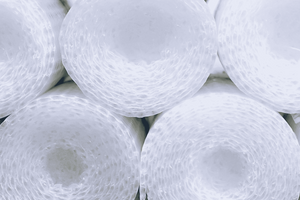
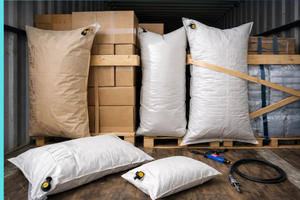
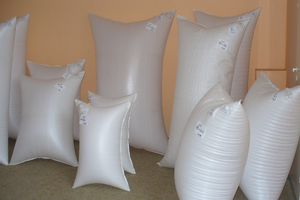
Foam polyethylene bags have long proven themselves as an effective way to protect a wide range of goods during storage and transport. This material, known for its lightness and cushioning properties, helps prevent damage from impacts, vibration or friction. Thanks to their foamed structure, these bags provide a soft wrap that adapts perfectly to the shape of the item being packed. Using PE foam bags is especially relevant for businesses that need to minimise losses from damaged shipments. They not only protect against mechanical impact but can also act as a barrier against moisture or dust in certain conditions. If you are looking for reliable packaging for goods of any complexity, foam polyethylene bags are the best choice, combining affordability with high effectiveness. Many companies have already appreciated the benefits of this material, reducing the number of returns due to damage. Overall, these bags help maintain brand reputation by ensuring goods are delivered in perfect condition.
Benefits of PE foam bags for protecting fragile shipments
Foam polyethylene bags stand out for their exceptional cushioning, which absorbs impacts and vibration in transit, preventing cracks or deformation of goods. The material is light, adding no extra weight to the shipment, yet provides strong protection against scratches and dents. In addition, PE foam bags are tear-resistant, which makes them ideal for packing goods of complex shapes such as electronics or glassware. They also have thermal insulation properties, helping maintain the temperature inside the package, which is useful for items sensitive to cold or heat. Using such bags reduces the cost of additional protective materials, as one layer is often enough for reliable wrapping. Many users note that these bags are easy to shape around an item, ensuring a snug fit without gaps. Overall, their flexibility and durability make PE foam packaging indispensable in logistics.
Applications of PE foam bags in various industries
In electronics, foam polyethylene bags are widely used to protect gadgets such as smartphones or computer components from static electricity and mechanical damage. In the automotive industry, these bags are used to pack spare parts, preventing corrosion and scratches in transit. For furniture manufacturers, PE foam bags are a reliable way to wrap delicate elements such as glass inserts or decorative parts, keeping them intact. In the medical sector, such packaging protects equipment from contamination and impacts, which is critical for maintaining sterility. Many logistics companies integrate these bags into their processes for transporting goods of any complexity, from fragile souvenirs to industrial tools. Their versatility allows sizes to be adapted to specific needs, making packing efficient and economical. Users in the food industry also use PE foam to protect packaged products from external influences.
How to choose the right foam polyethylene bags for your needs
When choosing foam polyethylene bags, it is important to consider the thickness of the material, as thicker layers provide better protection for heavy or sharp goods. The bag size should match the dimensions of the item to avoid unnecessary folds or gaps that can reduce cushioning effectiveness. Antistatic properties come in handy for electronics, so look for bags with the appropriate additives to avoid charge build-up. If goods are sensitive to moisture, choose options with additional lamination, which enhances barrier properties. Many suppliers offer custom bags, allowing the shape and density to be adapted to specific business requirements. Check the material's environmental certification if this matters to your audience, as some PE foams can be recycled. Overall, the right choice will help optimise costs and improve transport safety.
Tips on using PE foam packaging effectively for maximum protection
To get the most out of foam polyethylene bags, always wrap goods tightly, avoiding air pockets that can weaken cushioning on impact. Combine layers for particularly fragile items, for example by adding an inner bag for extra softening. Secure the packaging with tape or heat sealing to prevent shifting in transit. If you pack large batches, use automated lines to apply the material evenly, which will make the process more efficient. Many experts recommend testing packaging for strength before mass use by simulating transport conditions. Store the bags in a dry place to preserve their properties, and avoid contact with sharp objects when unpacking. These simple steps will help extend the life of goods and reduce the risk of damage.
Read more on this topic: step-by-step packing of fragile goods.
Read also:
- Polyethylene Foam Protective Profile: Reliable Protection for Any Product
- Zip-Lock Bags
- Cardboard Edge Protectors: Reliable Protection for Goods in Transit
- Slider Zip Bags: a Versatile Solution for Packing and Storage
Related products: courier mailer bags.