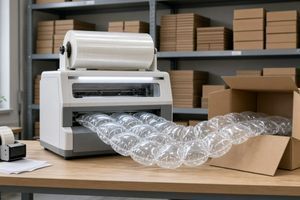
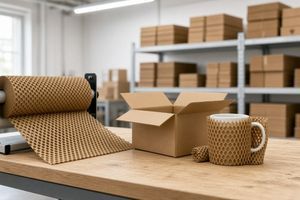
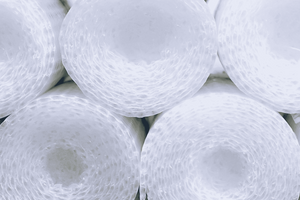
Bubble wrap is one of the most effective packaging materials, providing maximum protection for goods against mechanical damage, shocks and vibration. This versatile material consists of two layers of strong polyethylene film with air bubbles between them, which create a reliable cushioning layer. Thanks to its unique structure, the film effectively absorbs impacts and distributes loads, protecting even the most delicate items.
The special structure of bubble wrap provides excellent protective properties with minimal material weight. Bubbles of different diameters create a springy buffer layer that reliably protects the contents from damage in transit. At the same time, the material remains light and flexible, making it ideal for packing goods of different shapes and sizes.
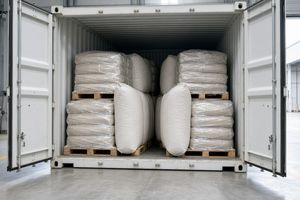
In logistics and warehousing, bubble wrap has become an indispensable material for protecting goods. It does an excellent job of protecting electronics, household appliances, furniture, glassware and other fragile items. The transparency of the material makes it easy to identify packed goods without unpacking them, which is especially convenient in warehouse storage.
Online shops actively use bubble wrap to deliver orders to customers safely. The material is ideal for protecting electronics, gadgets, cosmetics, tableware and other delicate goods. The lightness of the film helps optimise delivery costs, and reliable protection minimises the risk of damage to goods in transit.
In office moves and furniture transport, bubble wrap reliably protects surfaces from scratches and damage. It can easily be wrapped around furniture, appliances and equipment, creating a reliable protective layer. The material stays in place well and leaves no marks on surfaces after removal.
Manufacturers and suppliers value bubble wrap for its versatility and cost-effectiveness. The material is easy to cut to the required size, needs no special tools and provides excellent protection at minimal cost. The fact that it can be reused makes the film an even more cost-effective solution.
A particular advantage of bubble wrap is its resistance to various storage and transport conditions. The material is not affected by moisture, temperature changes or mechanical loads. It keeps its protective properties over a wide temperature range, making it ideal for use in different climatic conditions.
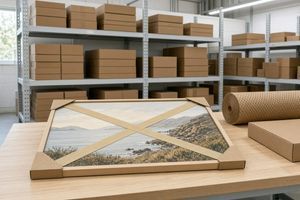
In the art and antiques sector, bubble wrap is used to protect valuable exhibits and works of art. Its soft structure provides gentle protection for delicate surfaces, and its transparency allows the condition of packed items to be checked visually. The material does not react chemically with surfaces, which is especially important when handling antiques.
In the construction industry, bubble wrap has become an important material for protecting finishing materials, plumbing fixtures and equipment. It effectively protects surfaces from dust, dirt and mechanical damage during renovation and construction work. Being easy to put on and take off makes it convenient for temporary surface protection.
When organising a move, bubble wrap helps you pack and transport personal belongings, household appliances and furniture safely. The material easily wraps around items of any shape, providing reliable protection in transit. It can be used on its own or in combination with other packaging materials.
Read also:
- What Is Bubble Wrap For?
- Air Cushion Packaging: Reliable Protection Against Shocks and Damage
- Protective Packaging Materials: Reliable Protection for Your Cargo
- How to Choose the Right Bubble Wrap for Packaging
Related products: bubble wrap.