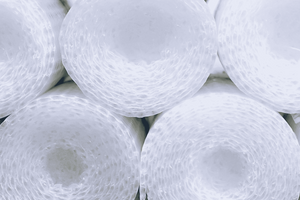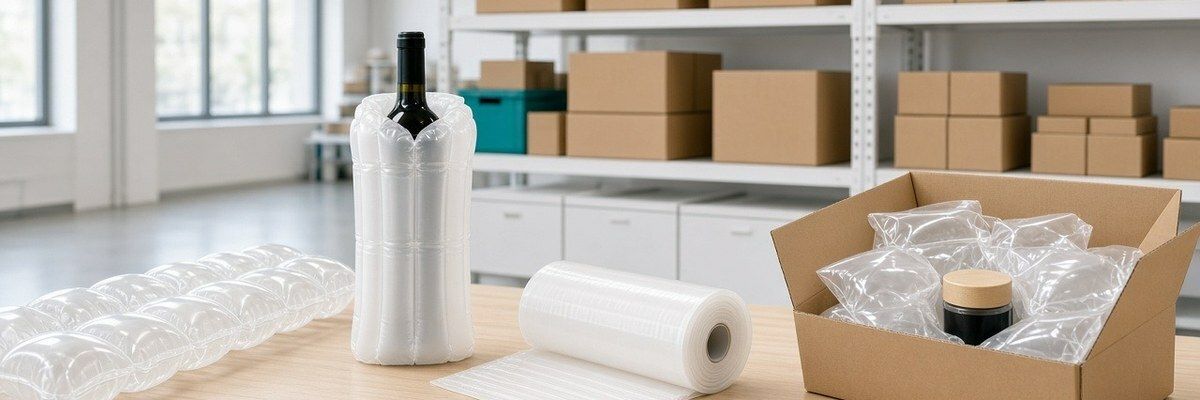
Air cushion packaging, also known as bubble wrap, has become an indispensable material for protecting goods during transport and storage. This unique material, consisting of polyethylene film with air bubbles of various sizes, provides excellent protection against mechanical damage, shocks and vibration.
The basic principle of air cushion packaging is based on air's properties as a shock absorber. Each bubble works as a miniature air cushion, absorbing the energy of an impact and distributing it across the surface. This effectively protects packed items from damage caused by drops, jolts and other mechanical stress in transit.
The variety of bubble sizes makes it possible to choose the best option for different types of goods. Small bubbles are ideal for protecting small, light items and provide even surface coverage. Large bubbles cope better with serious impacts and suit heavy, bulky items that need extra cushioning.
Lightness is one of the key advantages of bubble wrap. Unlike other protective materials, it adds virtually no weight to a shipment, helping to optimise delivery costs. At the same time, its protective properties remain high, keeping the contents reliably protected.
Its versatility makes bubble wrap a popular choice across industries. It is widely used to pack electronics, fragile items, glassware, antiques and other valuables. Because the material is easy to cut and shape, it allows custom solutions for items of any shape and size.
A further advantage of bubble wrap is protection against moisture and dust. The polyethylene base forms a barrier that shields packed items from external influences. This is especially important for long-term storage or transport in unfavourable conditions.
The transparency of the material makes it easy to identify the contents without opening the package. This simplifies sorting and handling of shipments and makes it quick to spot possible damage to the contents. Transparency also helps position the protective material correctly around the most vulnerable parts of an item.
The cost efficiency of bubble wrap comes from its durability and reusability. Handled properly, bubble wrap keeps its protective properties for a long time and can be used several times. This is especially relevant for companies that regularly send or receive goods.
The environmental side of bubble wrap also deserves attention. Although traditional bubble wrap is made from polyethylene, modern manufacturers offer biodegradable versions. In addition, the material can be reused and recycled, which helps reduce its environmental impact.
Ease of use is another advantage of bubble wrap. The material is easy to cut with ordinary scissors and requires no special tools or skills. This makes it accessible to professionals and private individuals alike when packing items for a move or shipment.
In summary, bubble wrap is an effective and versatile solution for protecting goods from damage. Its unique properties, ease of use and cost efficiency make it an indispensable material in packaging and logistics. Continuous development of production technology makes it possible to create ever more advanced versions of the material that meet modern requirements for product protection and sustainability.
Read also:
- Bubble Wrap – Reliable Protection for Your Goods in Transit and Storage
- What Is Bubble Wrap For?
- Bubble Wrap vs AirWave: Which Is Better for Protecting Cargo?
- Anti-Static Packaging for Electronics: Protection Against Damage and Static
Related products: AirWave air cushions.