Packaging for postal services plays a key role in ensuring safe and efficient delivery of goods. In today's world, where e-commerce is growing rapidly, the right choice of packaging materials can not only protect the contents but also increase customer trust in your business. From strong boxes to eco-friendly void fill, innovative solutions help minimise damage and optimise logistics processes. This article reveals current packaging trends that help ensure reliability and durability in transit. You will learn how to choose the best materials adapted to postal service requirements and how they affect delivery quality. We will also look at how modern technologies and eco-friendly approaches are transforming the packaging industry. Read on to discover new opportunities for your business!
Why quality packaging is the key to successful delivery
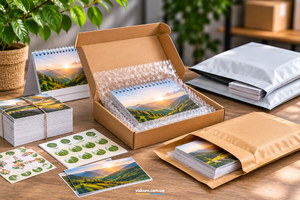
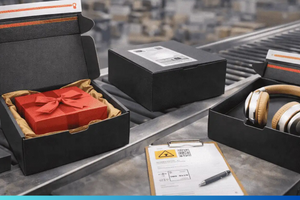
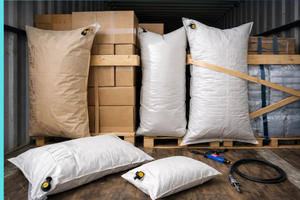
Quality packaging is the foundation of safe delivery, as it protects goods from impacts, vibration and adverse weather conditions. Postal services often handle thousands of parcels a day, and unreliable packaging can lead to damaged contents or even lost customers. Using strong materials such as corrugated board or bubble wrap provides extra protection and reduces the risk of complaints. In addition, well-chosen packaging makes handling in warehouses easier and speeds up delivery.
Eco-friendly solutions for modern packaging
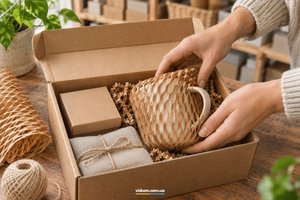
Eco-friendliness has become an important trend in the packaging industry, as consumers increasingly choose brands that care about the environment. Biodegradable materials such as paper void fill or starch-based packing tapes reduce the impact on nature without compromising protective properties. Using recycled materials not only cuts costs but also increases the loyalty of customers who value an environmentally responsible approach. Such solutions are becoming the standard for companies seeking to meet modern market demands.
Technological innovations in packaging for postal services
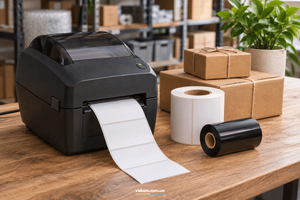
Modern technologies are transforming approaches to packaging, making it more efficient and convenient. For example, smart labels with QR codes let you track a parcel's status in real time, increasing delivery transparency. Automated packing lines make it possible to create boxes exactly to the size of the product, reducing waste and optimising space in transport. Such innovations not only save resources but also speed up order processing.
How to choose the best packaging for your business
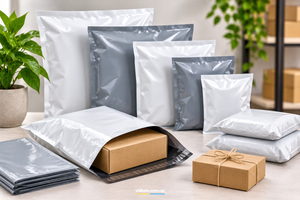
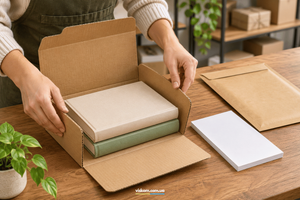
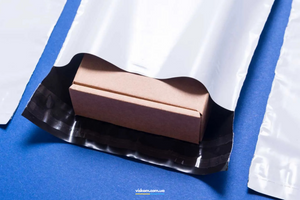
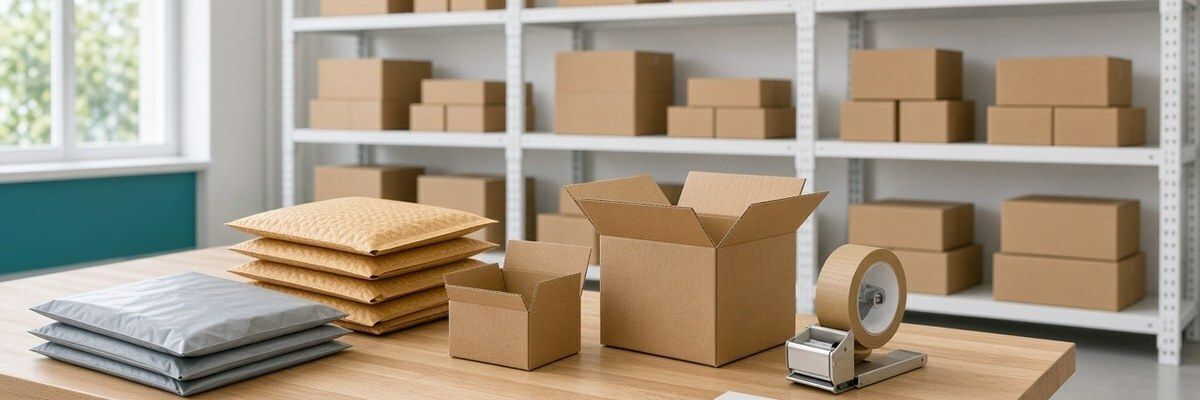
The choice of packaging materials depends on the type of goods, transport conditions and postal service requirements. For example, fragile items need additional cushioning materials such as polystyrene foam or air cushions, while light goods can be packed in compact envelopes. It is important to consider the weight and size of the packaging, as this affects the cost of delivery. Consulting packaging suppliers and analysing customer feedback will help you find a solution that combines reliability, cost-effectiveness and an attractive look.
Read more on this topic: choosing packaging by shipment type.
Read also: