Choosing the right packaging materials for delivery services is a critical factor that ensures safe transport of shipments and keeps them intact during delivery. Today's market offers a wide range of packaging materials, each with its own features and applications. Let's take a detailed look at the main types of packaging materials and how they are used in delivery services.
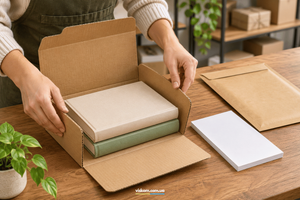
Corrugated cardboard remains one of the most popular materials for packing shipments. Its versatility, strength and affordable price make it the ideal choice for most types of parcels. Corrugated boxes of different thicknesses and sizes allow both light and heavy items to be transported safely. An important advantage of corrugated cardboard is its ability to absorb shocks and vibration in transit.
Bubble wrap is an indispensable material for protecting fragile items. This light and effective material provides excellent cushioning and protection against mechanical damage. Different bubble sizes make it possible to choose the best option for different types of goods, from small electronics to large fragile items.
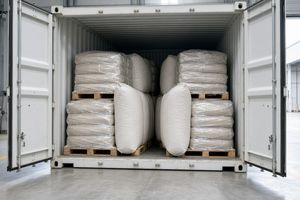
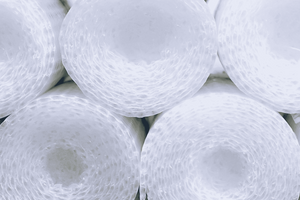
Stretch film is widely used for bundling and moisture protection. Its elasticity and ability to wrap items tightly make it ideal for securing loads on pallets and protecting them from the weather. Different film thicknesses and widths make it possible to choose the best option for different types of shipments.
Packing tape is the main material for sealing and closing packages. The market offers various types of tape, from standard packing tape to reinforced and specialised tapes. It is important to choose tape of the right width and strength to keep the package securely closed throughout the delivery route.
Polystyrene foam and soft foam are used as cushioning materials for particularly sensitive items. These materials absorb shocks and vibration extremely well, protecting the contents of the parcel from damage. They can be used as inserts and dividers or to wrap items completely.
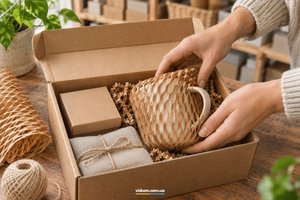
Wrapping paper is an eco-friendly and economical option for protecting the surfaces of items and filling empty space in boxes. It is particularly effective against scratches and dust and, when used correctly, can also serve as additional cushioning.
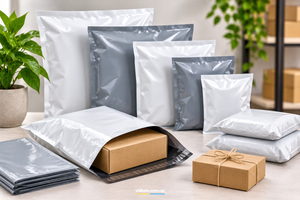
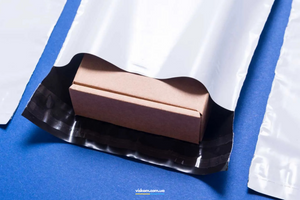
Specialised envelopes and bags made of various materials are used to send documents and small items. Modern mailing bags often have an additional protective layer and a reliable closure system that keeps the contents safe in transit.
Protective corners and fastening elements are important auxiliary materials that protect vulnerable parts of shipments and hold them securely in place. They are especially important when transporting furniture, appliances and other bulky items.
Thermal packaging and cold packs are needed for transporting temperature-sensitive cargo. Special insulating materials and ice packs make it possible to maintain the required temperature throughout delivery.
Anti-static materials are used to pack electronic equipment and components. They protect sensitive electronics from static electricity, which can build up in transit and damage the equipment.
In summary, the right choice of packaging materials is a key factor in successful delivery. Combining different materials makes it possible to create optimal protection for any type of cargo. When choosing packaging materials, it is important to consider the characteristics of the product, the transport conditions and cost-effectiveness. Ongoing technological development keeps bringing new, more effective packaging materials, steadily improving the quality and reliability of delivery.
Read also:
- Packaging for Postal Services: Modern Solutions for Safe Delivery
- What Are Packaging Materials: a Complete Overview of Types and Uses from a Leading Manufacturer
- What Delivery Services Are There in Ukraine?
- Protective Packaging Materials: Reliable Protection for Your Cargo
Related products: packaging materials catalogue.