In the world of logistics and delivery, proper packing plays a key role in keeping a shipment intact. Many people focus only on the size of the packaging but ignore the type of shipment, which can lead to damage or delays. Packing rules call for a comprehensive approach that takes into account not only dimensions but also the mode of transport, whether a courier service or regular post. When choosing packaging materials, keep the specifics of the shipment in mind to avoid unpleasant surprises. For example, fragile items need reinforced protective packaging, while simple bags are enough for textiles. This article reveals the nuances of choosing packaging, helps you optimise the process and ensures satisfied recipients. Ultimately, following packing rules not only saves time but also enhances the sender's reputation.
The importance of shipment type in packing rules
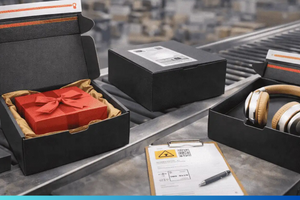
The type of shipment directly affects the choice of packaging, as courier delivery often involves fast transport with possible impacts, while postal parcels may spend longer in transit. Packing rules advise using strong boxes for express shipments to withstand mechanical loads during sorting. If a shipment travels by air, packaging materials should be light but resistant to pressure changes. Taking these aspects into account helps avoid damage and ensures reliable protection of the contents. Moreover, choosing packaging correctly by shipment type reduces the risk of returns and customer complaints.
How to combine size and shipment type in packaging
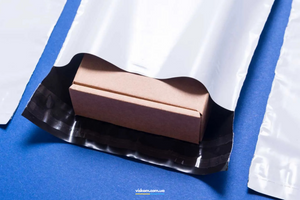
Packing rules emphasise balancing the size of the packaging with the type of shipment to optimise delivery costs. Compact bags that take up little space are suitable for standard postal shipments, but for courier services it is better to choose boxes with retainers that prevent the contents from shifting. Additional key elements such as bubble wrap or void fill strengthen protective packaging depending on the specifics of transport. This approach not only keeps the goods in their original condition but also simplifies handling at sorting centres. Ultimately, combining these factors makes packaging efficient and economical.
Tips on choosing packaging materials by shipment type
When choosing packaging materials according to packing rules, consider the type of shipment; for example, use waterproof materials for international parcels. Fragile items require reinforced protective packaging with cushioning elements, especially for road transport. Different forms of packaging, such as wrapping or containers, broaden the range of options for different types of cargo. Soft bags that do not deform fabric during long deliveries are suitable for clothing and textiles. These tips ensure safety and meet the requirements of logistics companies.
Benefits of following packing rules with shipment type in mind
Following packing rules with a focus on shipment type brings numerous benefits, including lower costs for re-delivery due to damage. Packaging chosen by shipment type increases customer trust, as the goods arrive in perfect condition. Using optimal packaging materials reduces environmental impact, as avoiding excess packaging supports sustainable development. In addition, this approach makes the work of couriers and postal workers easier, speeding up processes. Overall, integrating shipment type into packing rules turns a routine task into a strategic element of the business.
Read more on this topic: types of packaging materials.
Read also: