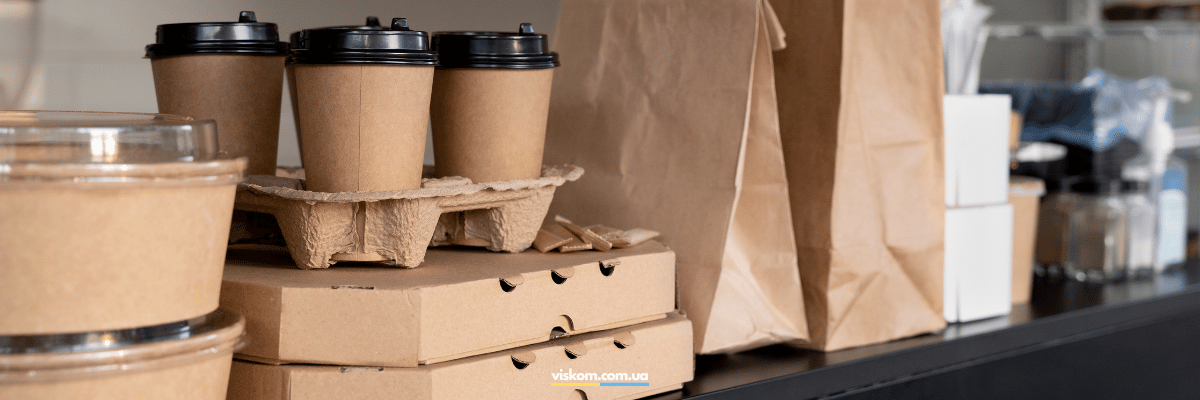
Street food always appeals with its speed and flavour, but the right packaging makes it even more convenient for consumers. When choosing packaging for street food, it is important to consider not only aesthetics but also practicality, so that the food stays hot and fresh. Street food packaging should be light so that customers can carry it easily without worrying that the contents will spill or go cold. Many fast-food entrepreneurs already understand how important takeaway containers are, as they affect the business's reputation. If street food containers are made of quality materials, this increases customer loyalty and encourages repeat purchases. Today, as street food becomes ever more popular, innovative packaging can become a real competitive advantage. It not only protects the product but also emphasises its uniqueness, making every bite memorable. That is why choosing the right street food packaging deserves the attention of anyone who wants to grow their business.

Benefits of quality street food packaging with a focus on convenience
Quality street food packaging not only preserves flavour but also provides convenience for customers who often eat on the go. When street food packaging is designed with ergonomics in mind, it lets people hold their food in one hand without being distracted from what they are doing. For example, containers with compartments for sauces make eating easier, while insulating materials keep hot dogs or shawarma warm for longer. Such takeaway packaging increases customer satisfaction, as no one likes food that goes soggy or loses its shape in transit. What's more, hygienic packaging protects against contamination, which is especially important in a street environment with dust and wind.
Materials for street food packaging: from paper to bioplastics
When choosing materials for street food packaging, pay attention to their strength and eco-friendliness to meet the expectations of modern consumers. Paper packaging for street food is popular because of its lightness and recyclability, ideal for sandwiches or fries. Plastic takeaway containers provide a tight seal, preventing liquids from leaking, as with salads or soups. Biodegradable packaging is becoming a trend because it decomposes naturally, reducing environmental impact, and is often used by environmentally conscious businesses. In addition, foil containers for street food retain heat very well, making them indispensable for hot dishes, and combine practicality with an affordable price.
Street food packaging design as a branding tool
Street food packaging design plays a key role in attracting potential customers, making your product stand out from competitors. When street food packaging features a bright logo and creative elements, it turns into mobile advertising that people see on the streets. Convenient boxes with windows let people see the contents, which stimulates appetite and increases sales. Custom takeaway packaging can include QR codes for promotions, drawing customers to your brand's social media. Such details make packaging not just a container but part of the overall eating experience, strengthening loyalty.
Environmental aspects of street food packaging for sustainable development
Eco-friendly street food packaging is becoming increasingly important as consumers choose products that do not harm the planet. Using reusable street food containers reduces waste, encouraging customers to come back for discounts when they reuse them. Biodegradable takeaway containers decompose quickly without polluting the soil and are often made from plant-based materials. Such packaging not only complies with regulations but also improves the business's image as a responsible one. Innovative solutions such as compostable packaging combine convenience with care for nature, making street food even more attractive to an eco-conscious audience.
Read more on this topic: food packaging.
Read also:
- Packaging for Lavash, Shawarma, Burritos and Wraps: Types, Benefits and Tips on Choosing
- Lunch Boxes and Pasta Boxes: Convenient Takeaway Packaging
- Gift Packaging Trends in 2025
Related products: packaging materials catalogue.