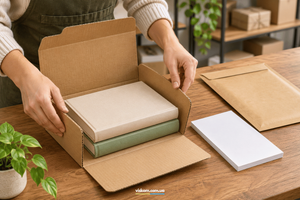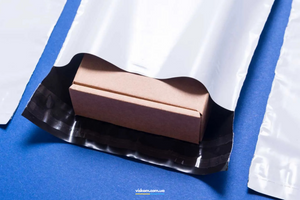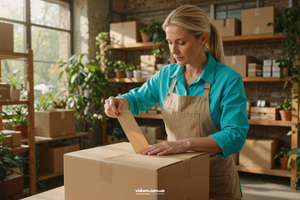

In a world where environmental problems are becoming ever more pressing, choosing the right packaging is an important step towards protecting the environment. Paper bags are steadily gaining ground as the best alternative to plastic, and there are good reasons for this. Today we look in detail at why paper packaging deserves special attention and respect among environmentally conscious consumers.
First of all, consider how eco-friendly the production of paper bags is. Unlike plastic bags, which are made from non-renewable oil, paper is made from wood, a renewable resource. Modern paper manufacturers follow the principles of sustainable forestry and plant new trees to replace those used. What is more, recycled raw materials are increasingly used to make paper bags, which significantly reduces the pressure on natural resources.
A paper bag decomposes in two to five months, while a plastic bag takes hundreds of years, polluting soil and water with microplastics. When paper bags decompose, they release no toxic substances and are fully assimilated by the natural environment, turning into organic compounds. This is particularly important given the global problem of plastic waste in the oceans.
Another important aspect is that paper bags can be recycled many times. Paper can be recycled up to seven times without significant loss of quality, making it a truly circular material. Systems for collecting and recycling waste paper have long been established in most countries, making the disposal of paper bags simple and accessible for consumers.
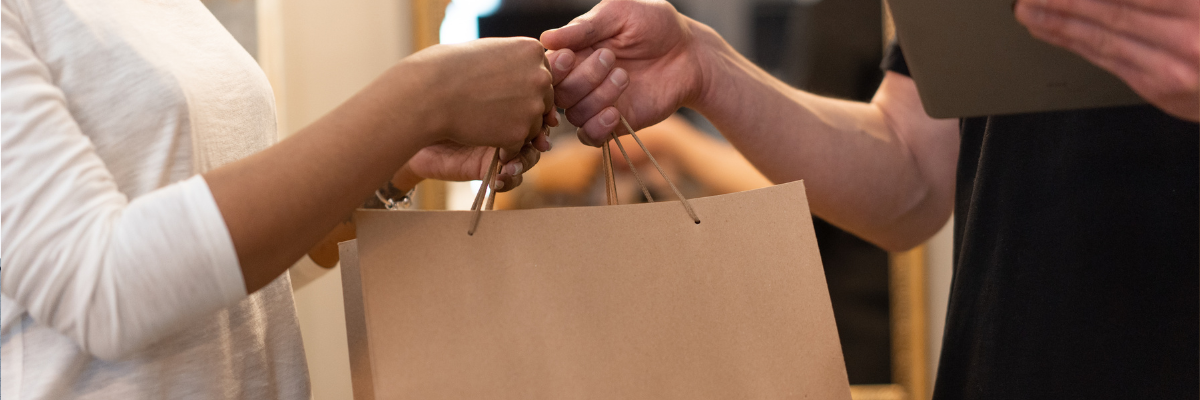
In practical terms, paper bags have several advantages. They are highly durable and can withstand considerable loads. Modern production technology makes it possible to create paper bags that resist moisture and mechanical damage. In addition, the paper surface is ideal for printing, making such bags an attractive advertising medium for brands.
The economic side of using paper bags also deserves attention. Although a paper bag may initially cost more than a plastic one, the long-term environmental costs of using plastic far outweigh this difference. Plastic pollution causes significant economic losses worldwide, related to cleaning up areas, the impact on tourism and restoring ecosystems.
The impact of paper bags on human health plays a special role. Unlike plastic bags, which can release harmful substances on contact with food, especially when heated, paper bags are safe for storing food. They contain no toxic components and do not affect the quality of the products stored in them.
Using paper bags also has important social significance. Choosing eco-friendly packaging demonstrates a responsible attitude towards the environment and sets a positive example for other consumers. This spreads environmental awareness and encourages responsible consumption in society.
Current trends show that more and more companies are switching to paper packaging and abandoning plastic. This is due not only to environmental considerations but also to legislation in many countries that restricts the use of plastic packaging. Paper bags are becoming a symbol of responsible business and care for future generations.
In conclusion, we can confidently say that paper bags are a better alternative to plastic thanks to their eco-friendliness, safety for health, recyclability and practicality. Choosing paper packaging is an investment in the future of our planet and the health of generations to come. Every conscious consumer who chooses a paper bag instead of a plastic one makes an important contribution to protecting the environment and building a sustainable future.
Read more: choosing packaging by shipment type.
Read also:
- Eco-Friendly Packaging: What Are Its Benefits?
- Cardboard or Plastic: Which Packaging Is Better?
- Zip-Lock Bags
Related products: courier mailer bags.