Anyone who has ever sent a parcel has wondered why its delivery costs exactly that much. The cost of parcel delivery depends on many factors that affect the final amount. From the weight and size of the package to the transport distance, all of these play a key role in the calculation. Additional services such as insurance or express delivery can also raise the price significantly. Understanding these components helps you optimise costs and choose the best option. In this article, we look in detail at what makes up the cost of parcel delivery so that you can plan your shipments more efficiently. This is especially useful for those who sell online or regularly send packages to family. Knowing these nuances will help you avoid unpleasant surprises and save money.
Key factors: package weight and dimensions in delivery cost
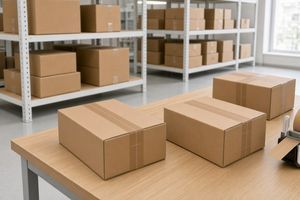
Parcel weight is one of the main elements determining the cost of parcel delivery, as carriers often apply weight-based rates. If a package weighs more than the standard limits, the price rises proportionally, as it requires more resources to transport. Dimensions also matter, because bulky shipments take up more space in the vehicle, leading to additional costs. For example, even a light but large box can cost more because of the volumetric coefficients that services use. So before shipping, it is worth weighing and measuring the parcel to calculate the cost of delivery accurately and avoid overpaying.
The impact of the route: distance and delivery type on the shipping price
The distance between sender and recipient directly shapes the cost of parcel delivery, as long-distance transport requires more fuel and time. International shipments often include customs fees, which significantly increase the total. The type of route, whether by land, air or combined, also plays a role, as faster options such as air delivery cost more. Local deliveries within a city or country are usually cheaper, but if the route passes through remote regions, the price may rise because of logistical difficulties. Understanding these aspects helps you choose the best route and reduce the cost of parcel delivery.
Additional options: insurance and speed in the cost calculation
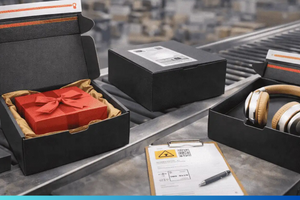
Parcel insurance adds a certain percentage to the cost of delivery, depending on the declared value of the shipment, protecting against loss or damage. Delivery speed, for example an express option, significantly increases the price, as it involves priority handling and special resources. Other services such as real-time tracking or door-to-door delivery also affect the final amount. Without these options, the basic cost of parcel delivery remains lower, but for valuable packages they become necessary. Choosing the right add-ons lets you balance cost and reliability.
Packaging and its role: how materials affect the cost of delivery
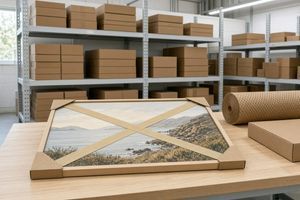
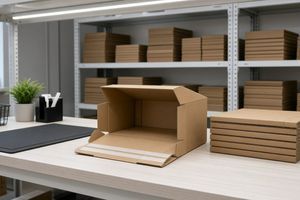
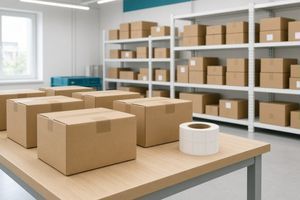
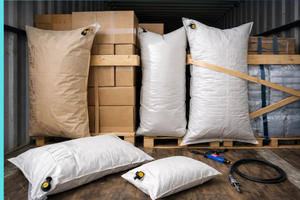
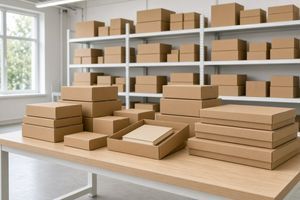
Quality packaging not only protects the contents but can also optimise the cost of parcel delivery by reducing the risk of damage and the need for additional insurance. Using light yet strong materials such as corrugated board or bubble wrap helps keep the weight within limits that lower the rates. If the packaging is non-standard or requires special handling, it can add to costs because of manual sorting. The right choice of packaging materials helps minimise dimensions, making shipping more economical. In this way, investing in good packaging pays off by lowering the overall cost of parcel delivery.
Read more on this topic: step-by-step packing of fragile goods.
Read also:
- How to Calculate the Packaging Cost of One Order
- How to Send a Parcel with Goods Within Ukraine
- Volumetric Weight of a Parcel: What It Is and How It Affects Delivery with Nova Poshta
Related products: packaging materials catalogue.