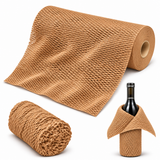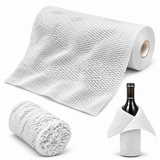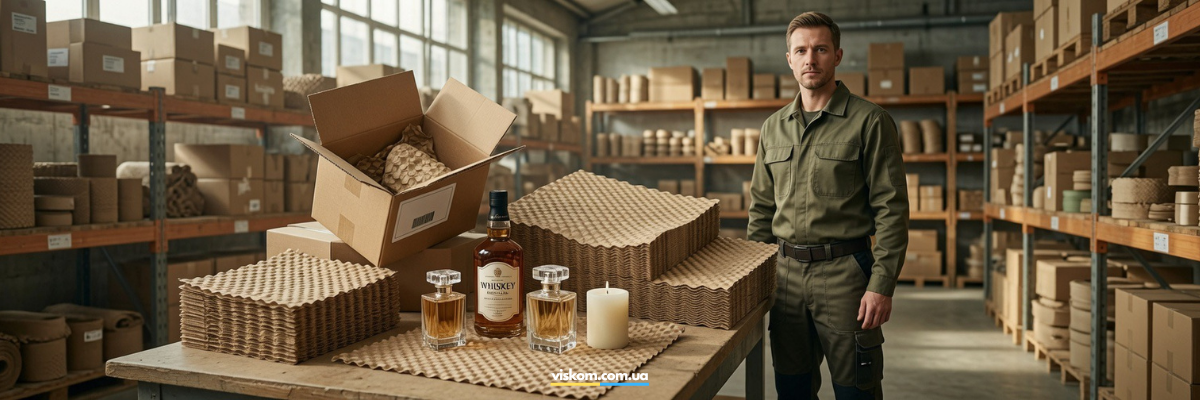
Fragile items are always a risk. Glass, ceramics, electronics or candles can break or get damaged even with careful handling in transit. One packing mistake, and the customer receives a broken product while you get a negative review and a return.
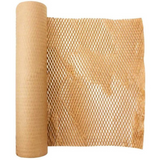
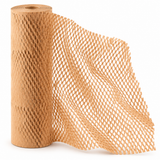
In this guide we cover proven ways to protect fragile items with modern materials: honeycomb paper, Bubble Paper and air cushions. These materials are widely used by professional shippers, online stores and manufacturers across Ukraine.
1. Preparing the item before packing
Before you reach for packaging, take a few important steps:
- Clean and dry the item. Moisture + paper = mould or smudged labels.
- Remove detachable parts (lids, handles, cables, accessories) and pack them separately.
- Tape over openings and moving parts with masking tape or stretch film so nothing rattles inside.
- For candles: wrap each candle in a thin layer of tissue paper or baking parchment so the wax does not stick to the packaging.
2. Choosing the right protective material
| Item type | Primary protection | Additional protection | Protection level |
|---|---|---|---|
| Glass, mirrors | Bubble Paper + air cushions | Honeycomb paper | Maximum |
| Ceramics, porcelain | Honeycomb paper + Bubble Paper | Air cushions | High |
| Electronics | Bubble Paper + anti-static bags | Air cushions | Medium+ |
| Candles | Honeycomb paper or tissue paper | Air cushions (gently) | Medium |
3. Step-by-step packing instructions
Step 1. First layer: direct contact
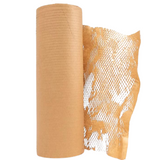
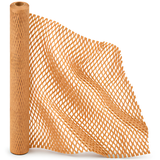
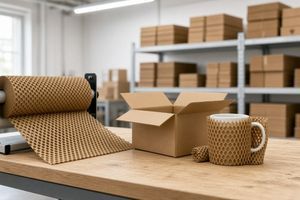
Wrap the item in Bubble Paper (paper with air-filled cells) or honeycomb paper.
- Bubble Paper absorbs impacts better.
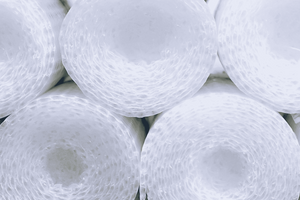
- Honeycomb paper is more eco-friendly and holds its shape well, especially for candles and ceramics.
Apply 2–3 overlapping layers. Corners and edges are the most vulnerable areas and need particularly careful protection.
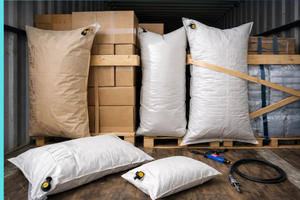
Step 2. Filling the voids Place the item in the box and fill all empty spaces with air cushions (AirWave, CushionPack, etc.). Air cushions are the best material for absorbing shocks and vibration in transit. They are light, take up little warehouse space and create no dust.
Step 3. Securing The item must not move inside the box. If it shifts, add more cushions or an extra layer of honeycomb paper.
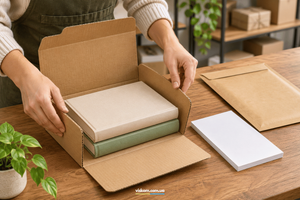
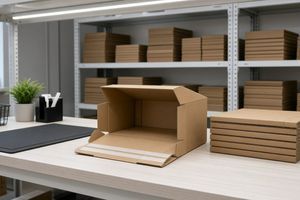
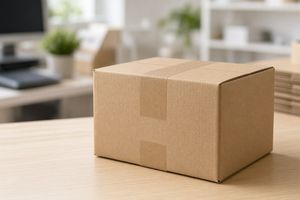
Step 4. Outer box Use a sturdy corrugated box with a safety margin. For particularly valuable glass and ceramics, choose a double-wall box.
Step 5. Labelling Always apply "Fragile", "Handle with care" and "Do not throw" stickers on all sides. This reduces the risk of rough handling in carriers' warehouses.
4. Tips for different categories
Glass and mirrors First Bubble Paper (at least 3 layers), then air cushions between the layers, and only then the box. Large mirrors are additionally secured with cardboard corner protectors.
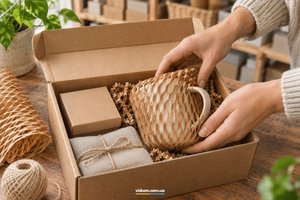
Ceramics and porcelain Honeycomb paper is ideal because it "breathes" and does not cause condensation. Wrap each cup or plate separately and place air cushions between them.
Electronics First an anti-static bag, then Bubble Paper. Use air cushions only on the outside so they do not press on screens and connectors.
Candles A combination of honeycomb paper and a thin layer of tissue paper works best. Use air cushions carefully: squeezing too tightly can deform the wax.
5. Common mistakes to avoid
- Packing by eye without filling the voids.
- Using only newspaper or ordinary paper.
- A box that is too small (the item presses against the walls).
- No "Fragile" labelling.
- Skimping on the amount of protective material.
Where to buy quality packaging for fragile items
At Viskom.com.ua you will find everything you need:
- Bubble Paper in various sizes and grammages
- Honeycomb (kraft) paper
- Air cushions and machines for inflating them
- Heavy-duty corrugated boxes
- "Fragile" stickers and tape
All materials are selected specifically for Ukrainian shipping conditions (Nova Poshta, Ukrposhta, courier services) and tested on real shipments.
Proper packaging is not a cost but an investment in your store's reputation and in satisfied customers.
Read more: Packaging rules: how to choose packaging not only by size but also by shipment type.
Read also: