Pros and cons of paper bags: a comprehensive analysis of an eco-friendly alternative

In a world of growing environmental awareness, paper bags have become a popular alternative to plastic packaging. However, like any other material, paper has its advantages and disadvantages. Let's look in detail at every aspect of using paper bags to help consumers make an informed choice.
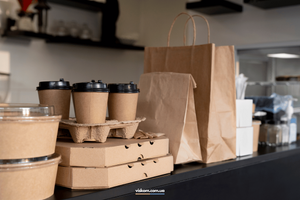
The main advantage of paper bags is that they are eco-friendly. Made from renewable raw materials, they decompose naturally within 2–5 months without leaving harmful traces in the environment. This is especially important given the global problem of plastic waste, which takes hundreds of years to decompose.
Safety for health is another important plus of paper packaging. Unlike plastic, paper does not release toxic substances on contact with food and contains no harmful chemical compounds. This makes paper bags a safe choice for storing food and other goods.
An important advantage is recyclability. Paper bags can be recycled up to seven times, which significantly reduces the burden on the environment. Paper collection and recycling systems are well established in most countries, making disposal accessible and convenient.
However, paper bags also have drawbacks. One of the main ones is their sensitivity to moisture. Despite the special impregnation and treatments used by manufacturers, paper bags are still less water-resistant than plastic ones. This can be inconvenient when carrying wet products or using them in rainy weather.
The production cost of paper bags is usually higher than that of plastic ones. This is due to a more complex production process and the use of quality raw materials. As a result, the final price for the consumer may also be higher, which sometimes hinders a mass switch to paper packaging.
The energy intensity of paper bag production is also debated. Turning wood into paper requires significant energy and water. However, modern technologies make it possible to optimise these processes and reduce the environmental footprint of production.
Paper bags are often less strong than plastic ones. Although modern technology makes it possible to produce fairly strong paper bags, they are still more prone to tearing and damage under heavy loads. This is especially noticeable with repeated use.
On the other hand, paper bags have high aesthetic value. They look more upmarket and environmentally conscious, which matters to many brands and consumers. The paper surface is ideal for printing, making such bags an effective advertising medium.
An important aspect is the impact of paper bag production on forest resources. Although modern manufacturers follow the principles of sustainable forestry and plant new trees, forests take a long time to regenerate. That is why using recycled raw materials and developing recycling technologies is particularly important.
Storing paper bags also requires special conditions. They take up more space than plastic bags, which can easily be folded. In addition, paper bags need protection from humidity during long-term storage.
Nevertheless, despite certain drawbacks, paper bags remain one of the most eco-friendly packaging options. Using them encourages responsible consumption and reduces plastic pollution of the planet.
It is worth noting that new production technologies for paper bags are constantly being developed to improve their characteristics and reduce their negative environmental impact. Manufacturers are working on stronger and more moisture-resistant options while keeping the product eco-friendly.
In conclusion, paper bags, despite certain limitations, remain an important step towards a greener future. Understanding their advantages and disadvantages helps consumers make conscious choices and use them as effectively as possible. Amid a growing environmental crisis, the importance of switching to greener packaging alternatives is becoming ever more obvious, and paper bags play an important role in this process.
Read more: choosing packaging by shipment type.
Read also:
- Eco-Friendly Packaging: What Are Its Benefits?
- The Main Pros and Advantages of Cardboard Packaging
- Cardboard or Plastic: Which Packaging Is Better?
Related products: courier mailer bags.