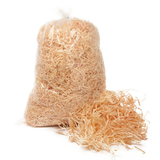
Wood shavings, a by-product of woodworking, have long proven themselves as a versatile material for many fields. They are an environmentally clean raw material that helps solve everyday tasks without harming the environment. Many households have already appreciated their benefits in gardening, where shavings are an excellent way to retain moisture in the soil. In animal husbandry, sawdust becomes indispensable bedding that provides comfort and hygiene for animals. Industry also actively uses wood waste to create packaging materials and void fill. Thanks to their availability and low cost, wood shavings open up wide opportunities for a creative approach at home. Their use is not limited to practical aspects, as they can also be used to create decorative interior elements. Overall, understanding where to use wood shavings lets you optimise resources and achieve better results in various projects.
Wood shavings in gardening: protecting plants and improving soil
Wood shavings are ideal for mulching soil around plants, as they retain moisture effectively and prevent weeds from growing. Gardeners often use sawdust to cover the ground in gardens and vegetable plots, which helps reduce the need for frequent watering and weeding. In addition, the shavings decompose over time, enriching the soil with organic matter and improving its structure for better crop growth. Wood mulch also protects plant roots from temperature fluctuations, especially in cold periods, providing stable conditions for development. Many gardeners note that sawdust from conifers adds acidity to the soil, which is beneficial for certain plants such as berries or flowers.
Sawdust bedding for animals: comfort and hygiene on the farm
Sawdust as animal bedding provides a soft surface that absorbs moisture and reduces the risk of unpleasant odours in animal housing. Farmers often choose wood shavings for henhouses, stables or pens, as they are easy to replace and do not cause allergies in animals. Thanks to their absorbent properties, shavings help keep things dry, which prevents the spread of bacteria and disease among livestock. In addition, after use such bedding can become part of compost, turning into a valuable soil fertiliser. Farmers value sawdust for being natural, as it contains no harmful additives and supports animal health in the long term.
Using shavings in industry: from packaging to void fill
In industry, wood shavings serve as a basis for packaging materials that protect fragile goods in transit. Manufacturers often press sawdust into pellets or blocks used as void fill to cushion impacts and prevent damage. In addition, shavings are part of building materials such as chipboard or insulation panels, providing strength and eco-friendliness. Woodworking companies turn waste into useful resources, cutting costs and supporting circular production. Thanks to their versatility, wood fillers are used in the furniture industry, where they serve as stuffing for cushions or mattresses.
Eco-fuel from sawdust: efficient heating and energy saving
Wood shavings can be turned into pellets or briquettes, which serve as an efficient fuel for heating homes and industrial facilities. This fuel burns evenly, giving off a lot of heat with minimal emissions of harmful substances, which makes it attractive to eco-conscious users. Households often use sawdust in fireplaces or stoves, where it burns for a long time without needing to be topped up often. In addition, producing briquettes from wood waste helps reduce dependence on traditional energy sources, saving resources. Many companies choose shavings as a raw material for biofuel, as they are available and renewable, ensuring a stable heat supply in cold seasons.
Read more on this topic: Paper Void Fill for Boxes: Benefits for Mail and Gifts.
Read also: