Transporting glass products always requires special attention and a professional approach to packing. Safe glass transport is a complex process that requires an understanding of the material's properties and the use of the right packaging materials. Today's market offers a wide choice of specialised solutions for protecting glass products during transport, from professional packaging materials to innovative safe-transport technologies.
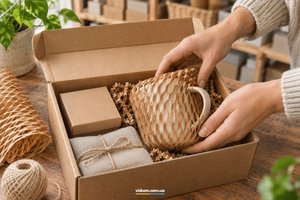
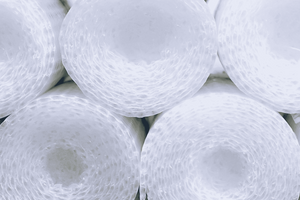
The basis of quality glass packing is a multi-layer protection system. The first layer usually consists of a soft material in direct contact with the glass. Special packing papers, microporous polyethylene foam or bubble wrap are best suited for this. These materials provide basic protection against scratches and minor mechanical damage.
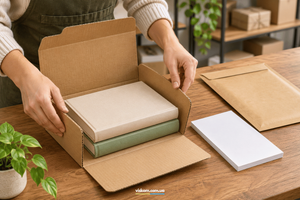
The second layer of protection is made of denser materials such as cardboard or expanded polystyrene. This layer is responsible for absorbing possible shocks and vibrations during transport. Particular attention should be paid to the corners and edges of glass products, which are the most vulnerable to damage. They are protected with special corner protectors or reinforced cardboard edge pieces.
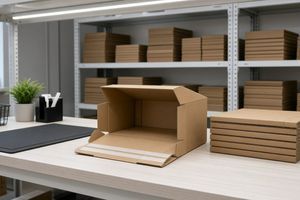
The outer layer of packaging must be as rigid and resistant to external influences as possible. Corrugated board or wooden crates are most often used for this. It is important that the outer packaging is the right size and provides enough space for cushioning materials between the glass and the walls of the container.
Professional marking of glass packaging is an equally important stage of preparation for transport. The packaging must bear the special markings "Fragile", "This way up" and "Keep dry". This helps loaders and carriers handle the load correctly and ensure it is properly positioned during transport.
Special attention should be paid to securing the glass inside the packaging. Even the slightest movement inside can cause damage. It is therefore important to use additional fixing elements such as polystyrene inserts, cardboard dividers or special fasteners. They help keep the glass in a stable position throughout the transport process.
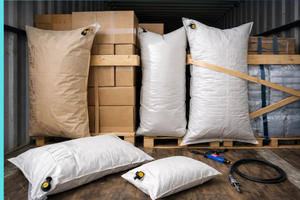
The choice of vehicle also plays an important role in safe glass transport. Vehicles with air suspension, which significantly reduces vibration while driving, are best suited. When loading, it is important to distribute the weight correctly and secure the packages so that they cannot shift in transit.
Temperature conditions during glass transport are also very important. Sudden temperature changes can cause cracks or the complete destruction of the glass. It is therefore important to maintain a stable temperature during transport and avoid storing packed glass in direct sunlight or in rooms that are too cold.
Cargo insurance is an additional but important aspect of safe glass transport. Given the fragility of the material and its high cost, insurance helps compensate for possible losses in the event of damage in transit. When taking out insurance, it is important to specify the characteristics of the load and the transport conditions in detail.
Modern technologies make it possible to monitor the condition of the load during transport. Special shock and tilt indicators can record all critical situations that occur in transit. This helps not only to control the delivery process but also to determine the causes of any damage.
A professional approach to packing and transporting glass is the key to its safe delivery to its destination. Following all the necessary rules and using quality packaging materials minimises the risk of damage and keeps glass products intact during transport. Investment in quality packaging and professional transport always pays off, especially when it comes to a material as fragile and valuable as glass.
Read also:
- How to Stop Package Tampering: Tamper-Evident Tape and Security Mailers
- Solutions for Protecting Glass Containers in Transit
- Types of Cargo Packaging for International Shipping
- How Best to Pack Goods in Glass Containers
Related products: packaging materials catalogue.