Protecting cargo in transit remains a key task for logistics companies, online stores and manufacturers. Bubble wrap has served as a reliable solution for keeping fragile items safe for decades. However, air cushion systems such as AirWave are rapidly gaining popularity thanks to their innovative approach and eco-friendliness. In 2025 the choice between these materials is particularly relevant given the growth of e-commerce and sustainability requirements. This article compares traditional bubble wrap with the modern AirWave system to help you choose the best solution for protecting cargo. We look at their features, advantages and disadvantages so that you can make an informed decision.
Bubble wrap: a proven classic
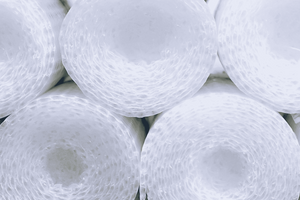
Bubble wrap, invented in 1957, remains a benchmark among packaging materials thanks to its simplicity and effectiveness. It consists of two or three layers of polyethylene with air bubbles between them that provide cushioning. The film is ideal for protecting fragile items such as glass, electronics or ceramics, absorbing shocks and vibration. Its light weight minimises transport costs, and its transparency makes it easy to identify the contents without unpacking. Bubble wrap is versatile: it is used not only in logistics but also in construction for thermal insulation and in agriculture for covering greenhouses. Despite its popularity, the material has drawbacks, including limited eco-friendliness, since polyethylene is difficult to recycle in some regions.
To understand why bubble wrap is still in demand, it is worth looking at its key advantages. These properties make the material indispensable for many tasks. They explain why companies continue to use this technology even in 2025.
- Effective cushioning: air bubbles absorb impacts and protect delicate cargo even under heavy mechanical loads.
- The minimal weight of the film reduces transport costs.
- Versatility: suitable for packing items of any shape and size, from small electronics to furniture.
- Affordability: low cost and wide availability make the film an economical choice.
These qualities make bubble wrap ideal for small online stores or private moves. However, its use may be limited in large logistics operations that require automation and eco-friendliness. In addition, damaged bubbles reduce the protective properties, and disposal can be difficult where there is no recycling infrastructure.
AirWave: innovation in packaging
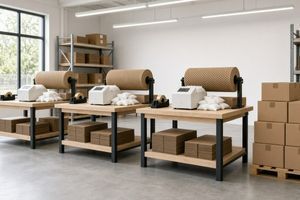
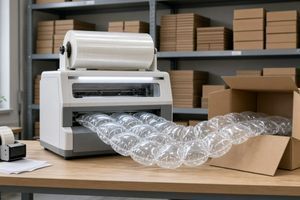
The AirWave system is a modern alternative to traditional bubble wrap, based on producing air cushions directly before packing. AirWave equipment, such as the AirWave 1 or AirBoy Nano models, inflates thin polyethylene film to create cushions that fill voids in boxes or wrap the cargo. This approach minimises the amount of material: the cushions consist of 99% air and only 1% plastic, which makes them light and eco-friendly. AirWave is especially popular in large logistics centres, where automation and space optimisation play a key role. Before inflation, the material is stored in compact rolls, which reduces warehousing costs. However, the high initial cost of the equipment can be a barrier for small businesses.
AirWave offers a number of advantages that make it attractive to companies seeking efficiency and eco-friendliness. The system allows packaging to be adapted to specific tasks, which is especially important in e-commerce. Nevertheless, it requires investment in equipment and staff training.
In 2025 AirWave stands out for its environmental focus and flexibility. The cushions are easy to recycle because they use less plastic, and producing them on site eliminates the need to transport ready-made packaging. However, for small operations or one-off tasks, traditional bubble wrap may be more practical because it needs no special equipment. In addition, AirWave requires a stable power supply and regular machine maintenance, which can complicate the process in small companies.
How to choose?
The choice between bubble wrap and the AirWave system depends on the scale of operations and the company's priorities. Traditional bubble wrap remains the ideal solution for small businesses, private moves or situations where simplicity and affordability are needed. Its versatility and low cost make it suitable for packing fragile cargo without additional investment. At the same time, AirWave offers an innovative approach that is especially valuable in large logistics operations. The system saves space, reduces the amount of plastic and makes packaging more eco-friendly. However, introducing it requires initial spending on equipment and training, which may not be justified for every business.
In 2025 environmental requirements play an ever greater role, and AirWave wins thanks to lower material use and recyclability. For companies committed to sustainability, this is a strong argument. Nevertheless, bubble wrap remains relevant thanks to its simplicity and versatility. Both materials protect cargo effectively, but the choice depends on your needs: bubble wrap suits one-off tasks, while AirWave suits automated processes.
Read also:
- Inflatable Bubble Packaging Film: Versatile Protection for Fragile Loads
- Bubble Wrap or Polystyrene: Which Better Protects Fragile Items Shipped with Nova Poshta or Meest
- Bubble Wrap – Reliable Protection for Your Goods in Transit and Storage
- What Is Bubble Wrap For?
- Bubble Wrap with Tear-Off Sections: an Innovative Solution for Convenient Packing
Related products: bubble wrap.