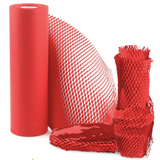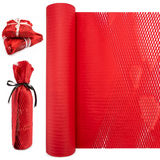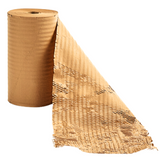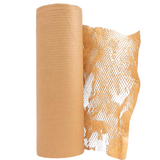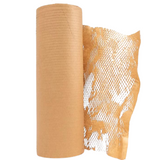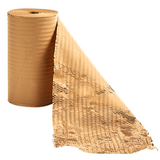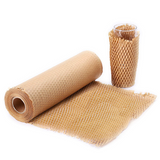
 Kraft paper production is a complex technological process that combines traditional methods with modern innovations. This strong and eco-friendly material is made from wood pulp using a special sulphate cooking technology, which gives the finished product its unique properties. High-quality kraft paper made this way is widely used across many industries.
Kraft paper production begins with careful selection of raw materials. The main material is softwood, which is rich in long cellulose fibres. Modern mills also make active use of recycled materials, which makes the process more eco-friendly and cost-effective.
The first stage of production involves chipping the wood and treating it chemically in special digesters. The sulphate cooking method produces high-quality pulp while preserving the natural strength of the fibres. The process takes place at high temperature and pressure, which ensures complete separation of cellulose and lignin.
After cooking, the pulp goes through several stages of cleaning and bleaching. Modern technologies make it possible to carry out these processes with minimal environmental impact. Manufacturers can adjust the degree of bleaching depending on the purpose of the final product, from natural brown to white.
The paper web is formed on special paper machines. At this stage the pulp is turned into a uniform web of the required thickness. Modern equipment makes it possible to control all process parameters: density, thickness, moisture and surface structure of the paper.
The quality of kraft paper is ensured by constant control at all stages of production. Laboratory tests check tensile strength, puncture resistance, moisture resistance and other important characteristics. Certified mills guarantee that their products comply with international quality standards.
Modern technologies make it possible to produce different types of kraft paper:
- Standard wrapping paper
- High-strength sack paper
- Kraftliner for corrugated board facings
- Elastic creped kraft
- Moisture-resistant impregnated kraft
- Decorative coloured kraft
Production is made eco-friendly by closed-loop use of chemicals and water. Modern mills are equipped with treatment and recovery systems that minimise environmental impact. The use of recycled raw materials also helps conserve natural resources.
Energy efficiency is achieved through modern equipment and optimisation of all processes. Many mills install cogeneration plants, which make efficient use of energy and reduce production costs.
Product quality is controlled at all stages of production using modern testing methods. Every batch of kraft paper is checked for its physical and mechanical properties, which guarantees consistently high material quality.
Innovation in kraft paper production keeps advancing. Manufacturers introduce new technologies to improve product characteristics, reduce costs and make production more sustainable. This makes it possible to create ever better materials for different applications.
Read also:
- Kraft Paper Mailing Envelopes
- Packaging and Container Manufacturing
- Kraft Paper Bags: an Eco-Friendly Solution for Modern Business
Related products: packaging materials catalogue.