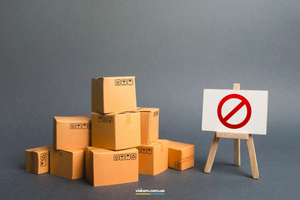
International postal shipments from Ukraine are governed by strict rules and restrictions that anyone planning to send parcels abroad should know. These rules are set both by Ukrainian legislation and by international postal conventions, and breaking them can have serious consequences.
Weapons and ammunition are strictly prohibited from being sent by post. This applies not only to firearms but also to bladed, air and non-lethal weapons, as well as any of their parts and components. It is also forbidden to send ammunition, gunpowder, explosives and items imitating them.
Narcotic drugs, psychotropic substances and their precursors may not be sent under any circumstances. This applies both to prohibited substances and to medicines containing narcotic components, even if legally purchased with a prescription. Breaking this rule entails criminal liability.
Flammable substances and materials pose a particular danger in transit, so sending them is strictly prohibited. This category includes petrol, alcohol, varnishes, paints, matches, lighters and gas canisters. Aerosol cans of any kind are also prohibited.
Radioactive, poisonous and corrosive substances are strictly prohibited. This includes various chemicals, acids, mercury and other hazardous substances that may threaten human health or the environment.
Live animals and plants are subject to special restrictions. It is forbidden to send any live animals or insects, as well as plants without the appropriate phytosanitary certificates. This rule aims to prevent the spread of diseases and pests.
Perishable foods are not accepted because of the risk of spoiling in transit. This applies to fresh fruit, vegetables, meat, fish, dairy products and other products that require special storage conditions.
Cash and securities are subject to strict restrictions. It is forbidden to send cash in letters and parcels, as well as securities, payment cards and other financial documents without special permission.
Items that infringe copyright or are counterfeits of well-known brands may not be sent. This applies to counterfeit products, pirated copies of audio and video products and fake goods of well-known brands.
Documents containing state secrets or confidential information may not be sent by ordinary post. Such items go through special diplomatic mail channels and secure methods of transferring information.
Personal documents such as passports, military ID cards and employment record books are also subject to restrictions. They may only be sent through special channels and following the relevant procedures.
Items of historical and cultural value require special permits to be taken out of the country. This applies to antiques, works of art, old books and other cultural property.
Pornographic materials and obscene items are prohibited from being sent in most countries of the world. This rule aims to protect public morality and prevent the spread of undesirable content.
Pay particular attention to the restrictions of specific destination countries, as each country has its own list of goods prohibited from import. Before sending, it is important to check the rules of the recipient country.
Breaking the rules for international postal shipments carries administrative and criminal liability. The sender bears full responsibility for the contents of the parcel and the accuracy of the accompanying documents.
To avoid problems with international shipping, it is advisable to consult postal service representatives in advance and study the current shipping rules. This will help save time and money and avoid unpleasant situations at customs.
Read more on this topic: choosing packaging by shipment type.
Read also:
- What You Can't Put in a Parcel: List of Prohibited Items for Postal Shipments
- Packing Rules for International Postal Shipments
- How to Pack Home Preserves for Shipping by Post: Tips and Recommendations
Related products: packaging materials catalogue.