Modern industrial equipment and machine tools are complex technical systems that require special protection during transport and storage. Proper packaging of industrial equipment is a complex process that requires a professional approach and specialised materials. In this article, we look at the main aspects of packing industrial equipment and describe modern methods of protecting machine tools.
Protecting industrial equipment begins with a careful analysis of its features. Each machine has its own unique characteristics that must be considered when choosing packaging materials. Important factors include the weight of the equipment, its dimensions, and the presence of sensitive parts and electronic components. Modern packaging solutions involve multi-layer protection that reliably guards against mechanical damage, moisture and corrosion.
The first stage of packing is anti-corrosion treatment of the metal parts of the equipment. Special corrosion inhibitors and protective greases are used for this, creating a thin protective film on the metal surface. This layer protects the equipment from oxidation and corrosion during long-term storage or sea freight, where high humidity can pose a serious threat.
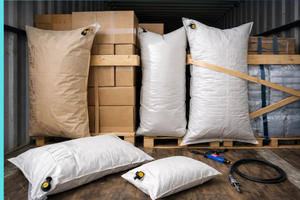
The next important element is shock protection. Special cushioning materials are used for this, such as polyethylene foam, bubble wrap and special cushioning pads. They absorb the shocks and vibrations that can occur during loading, unloading and transport. Particular attention is paid to protecting precision assemblies and electronic components, which are the most sensitive to mechanical impact.
Moisture protection is provided by multi-layer barrier materials. Modern moisture-barrier films and multi-layer polyethylene bags provide a reliable barrier against atmospheric moisture. In addition, silica gel desiccants are used to absorb residual moisture inside the packaging and prevent condensation.
For large and heavy equipment, strong outer packaging is an important element. Custom-sized wooden crates are used most often. They are designed taking into account the method of transport and the storage conditions. It is important to ensure correct load distribution and the ability to lift the equipment safely with a forklift or crane.
Special attention is paid to the marking of packed equipment. Special handling symbols are placed on the packaging to indicate the correct orientation of the load, the need to protect it from moisture and the fragility of the contents. Labels with detailed information about the contents, weight, dimensions and special transport conditions are also applied.
Modern technologies make it possible to monitor the condition of packed equipment in transit. Special shock, tilt and humidity indicators are used to record any breach of transport conditions. This makes it possible to detect potential problems in time and take the necessary measures to protect the equipment.
Professional packaging of industrial equipment is an investment in protecting an expensive company asset. Properly chosen packaging materials and technologies ensure that the equipment arrives at its destination in perfect condition and is ready to be put into operation immediately. Cutting corners on packaging quality can lead to serious financial losses due to equipment damage in transit.
In today's global trade, it is important to take into account international standards and requirements for packaging industrial equipment. This includes compliance with phytosanitary standards for wooden packaging, the necessary accompanying documents and correct marking for customs clearance. Professional packaging companies ensure full compliance with all international requirements and standards.
Choosing a reliable partner for packaging industrial equipment is an important decision that affects the safety of your investment. Pay attention to the company's experience, its specialised equipment and materials, and its understanding of the specifics of different types of industrial equipment. A professional approach to packaging is the guarantee that your equipment stays intact and is transported safely to its destination.
Read also:
- Packaging for Industrial Goods
- Packaging for the Automotive Industry
- Packaging for Liquid-Handling Industries
- Investing in Warehouse Equipment as a Path to Greater Efficiency
Related products: packaging materials catalogue.