In logistics, where every shipment needs a special approach, custom packaging is becoming an important tool for keeping goods safe and intact. Tailored solutions designed around the specifics of a product minimise the risk of damage in transit. Such systems take into account the shape, weight and fragility of items to provide optimal protection. Personalised packaging not only prevents physical damage but also optimises space, reducing shipping costs. This approach is especially needed for unique or expensive cargo that requires extra attention. This article shows how customisation technologies are transforming packing processes and making them more reliable and efficient.
A precise fit: why custom packaging protects better
Every product has unique characteristics, whether it is delicate electronics, non-standard works of art or bulky equipment. Universal packaging solutions often fail to provide reliable protection, leaving cargo vulnerable to impacts, vibration or shifting. Custom packaging solves this problem by adapting to the specific parameters of the item. Using modern technologies such as 3D scanning and computer modelling, packaging structures are created that perfectly follow the shape of the cargo. This ensures a tight fit and prevents movement inside the packaging. For example, foam inserts cut with jewel-like precision can be used for fragile items, and reinforced frames designed for a specific load for heavy cargo.
Personalisation also makes it possible to take transport conditions into account, such as the length of the route or the type of transport. Specialised materials are selected with these factors in mind, which increases resistance to external influences. The main advantages of custom packaging include:
- Perfect fit: structures follow the shape of the cargo, eliminating voids and shifting.
- Material optimisation: using only the resources needed reduces weight and costs.
- Load resistance: tailored solutions take the specifics of transport into account and prevent damage.
- Eco-friendliness: precise calculation of materials minimises waste and supports sustainable practices.
These features make customisation a key solution for companies that want to keep their products safe. A tailored approach increases reliability and reduces the risk of returns and complaints. Such attention to detail strengthens customer trust and optimises logistics processes.
Customisation technologies: tools for ideal packaging
Creating personalised packaging has become possible thanks to advanced technologies that allow solutions to be designed with high precision. Automated systems such as 3D printers and CNC machines produce packaging elements that are ideally suited to specific products. For example, laser cutting makes it possible to produce foam or cardboard inserts that exactly match the shape of the item. Intelligent algorithms analyse cargo data, including dimensions, weight and fragility, to suggest the optimal packaging configuration. Such technologies are also integrated with logistics platforms, which allows routes and delivery conditions to be taken into account. This is especially important for international shipping, where cargo is exposed to many external influences.
In addition, customisation supports the use of eco-friendly materials such as biodegradable polymers or recycled cardboard, which meets sustainability requirements. Innovative solutions such as modular packaging systems make it possible to adapt protection to different types of cargo without completely redesigning the structure. This reduces production time and costs while maintaining a high level of safety.
Conclusion
Custom packaging opens up new opportunities for protecting cargo, keeping it intact thanks to a tailored approach. Personalised solutions designed around the specifics of each product minimise the risk of damage and optimise logistics. Technologies such as 3D scanning and automated production make this process fast and precise. This approach not only makes transport more reliable but also saves resources and reduces the environmental footprint. Personalisation is becoming the standard for companies seeking efficiency and customer trust.
Read more on this topic: types of cargo packaging.
Read also:
- How to Stop Package Tampering: Tamper-Evident Tape and Security Mailers
- Robots Guarding Cargo: Packaging Automation for Reliable Transport
- Digital Cargo Guards: How GPS and IoT Ensure Safety
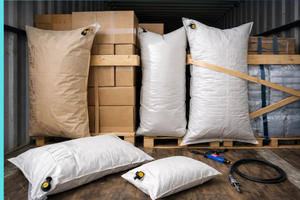
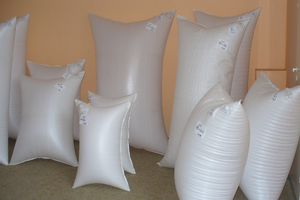
Related products: dunnage air bags.