In a world where the speed and accuracy of logistics determine business success, packaging automation is becoming a key factor in reliable transport. Robotics and intelligent systems are transforming the processes involved in preparing goods for shipment, making them faster, more accurate and safer. Errors caused by the human factor, such as incorrect stacking or insufficient securing, are becoming a thing of the past thanks to advanced technologies. Automated solutions not only increase efficiency but also keep cargo intact, which is especially important for fragile or expensive items. This article shows how modern systems minimise risks and protect goods on their way to the consumer. Read on to learn how robotics is changing the approach to packaging and transport.
Pinpoint precision: how robots eliminate human error
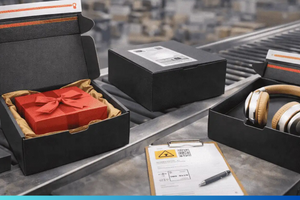
Packing cargo is a process that requires high precision, because even the smallest mistake can lead to damaged goods or delivery delays. Manual work, despite its versatility, is often a source of problems: incorrect stacking, insufficient securing or the choice of unsuitable materials can cause serious losses. Automated systems equipped with robots and sensors handle these tasks with remarkable accuracy. Such machines can analyse the dimensions, weight and shape of each item and choose the optimal packing method. For example, robotic arms can place goods in boxes according to their fragility, and computer vision systems check the integrity of the packaging before dispatch. This eliminates errors caused by inattention or worker fatigue.
Automation also minimises variability in processes, which is especially important for large logistics centres that handle thousands of parcels every day. Programmed algorithms set strict standards that are followed without deviation. Here are the key benefits robotics brings to the packing process:
- Measurement accuracy: sensors determine cargo parameters to the millimetre, eliminating errors in choosing packaging materials.
- Speed: robots process dozens of items per minute, which is beyond human capability.
- Quality control: machine vision systems check the seal and integrity of the packaging, preventing defects.
- Resource savings: automation optimises the use of materials, reducing waste and costs.
These capabilities make robotic systems indispensable in modern logistics chains. They not only eliminate errors but also allow companies to save time and money. The reliability these technologies provide becomes a competitive advantage for businesses.
Protection on the road: how automation keeps cargo safe
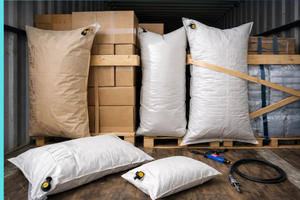
Keeping goods safe during transport is one of the main tasks of logistics. Damaged parcels not only lead to financial losses but also undermine customer trust. Automated packaging systems solve this problem by providing reliable protection for cargo. Robots equipped with artificial intelligence algorithms can select the optimal materials and securing methods for each type of product. For example, special cushioning materials are used for fragile items, while heavy cargo is secured taking its weight and shape into account. These systems also consider transport conditions, including vibration, temperature changes and other factors that can affect the safety of the goods.
Another advantage is the ability to customise packaging to specific requirements. Robotics makes it possible to create multi-layer packaging solutions that protect cargo from external influences. The systems are also integrated with logistics platforms, which allows the condition of the packaging to be tracked at every stage of transport. This is especially important for international shipping, where cargo passes through many transshipment points. Automation minimises the risk of damage caused by incorrect stacking or insufficient securing and gives confidence that the goods will reach the recipient in perfect condition.
Conclusion
Packaging automation using robotics is radically changing the approach to cargo transport, making processes more reliable and efficient. Technologies that eliminate human error ensure accuracy and consistency in packing, which reduces the risk of damage. Systems that protect goods from external influences keep them safe at every stage of the logistics chain. Implementing such solutions allows companies not only to cut costs but also to strengthen customer trust. The future of logistics belongs to intelligent systems that keep improving and opening up new opportunities for business.
Read more on this topic: types of cargo packaging.
Read also:
- Custom Packaging: How Personalised Solutions Increase Cargo Safety
- Investing in Warehouse Equipment as a Path to Greater Efficiency
- Digital Cargo Guards: How GPS and IoT Ensure Safety
Related products: packaging materials catalogue.